UP Study Pinpoints Extreme Rainfall as Main Trigger for Cebu Flash Floods
A groundbreaking study conducted by scientists from the University of the Philippines in Diliman, Quezon City, has conclusively identified extreme rainfall as the primary catalyst for the catastrophic flash floods that struck Cebu during Typhoon Tino on November 4, 2025. While this scientific analysis provides crucial data, it simultaneously opens up a broader dialogue concerning policy implementation, infrastructure adequacy, and governance effectiveness.
The Multifaceted Causes of the Disaster
The research, spearheaded by the UP Institute of Environmental Science and Meteorology (IESM), reveals that the flash floods were not attributable to a single factor. Instead, they resulted from a confluence of several critical elements:
- An exceptionally intense rainfall event
- Rapid water runoff originating from the upland regions
- Urbanization processes that have diminished the land's natural capacity to absorb water
- The limited carrying capacity of existing drainage systems and river channels
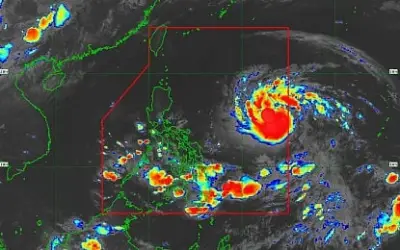
From a meteorological perspective, Typhoon Tino unleashed a staggering 428 millimeters of rain within a 24-hour period. To provide context, this volume significantly exceeds the 276 millimeters recorded during Typhoon Ruping in 1990. The study further explains that the soil reached saturation point rapidly, rendering it incapable of absorbing additional precipitation. Consequently, the excess water surged downstream, leading to swift runoff into the Guadalupe and Kinalumsan river basins. The core conclusion is that the disaster was triggered by extreme rainfall across the entire watershed, rather than being linked to any specific land development project.

Advanced Modeling and Infrastructure Analysis
Utilizing sophisticated computer modeling techniques, the researchers simulated the impact of particular upland developments. A focal point of the investigation was the Monterrazas de Cebu development and its interaction with the Guadalupe and Kinalumsan watersheds. The findings indicate that water from the Monterrazas site remains confined within its own watershed. Moreover, the project incorporates detention ponds—large basins engineered to collect rainwater and release it gradually. According to the model, these ponds were remarkably effective, reducing peak runoff by an impressive 70 percent to nearly 100 percent.
Unanswered Questions and Governance Challenges
While these scientific insights clarify the immediate causes of the flash floods, they also give rise to pressing, unresolved questions. A paramount concern is the performance of flood control projects. Between 2016 and 2025, Cebu received approximately P17.4 billion in funding for flood control initiatives. Whether these projects functioned as intended during Typhoon Tino remains a separate and critical inquiry, distinct from the issue of extreme rainfall.
The study also prompts examination of other affected areas, such as the Butuanon River, which experienced similar flooding. It is essential to recognize that extreme rainfall does not inevitably lead to disaster. Cities worldwide endure intense storms; the differentiating factor lies in the presence of robust infrastructure, comprehensive planning, and proactive preparedness measures that mitigate damage. In contrast, some regions only initiate these discussions in the aftermath of a catastrophe.
The Imperative for Resilience and Continued Dialogue
The fundamental question emerging from this study is: How resilient are Cebu's watershed and urban systems? If Typhoon Tino represents a new climatic normal, Cebu must fundamentally reassess its water management strategies, spanning from upland forests to urban drainage networks.
There exists a tangible risk that the term "extreme rainfall" could be misappropriated in public discourse, serving as a convenient explanation that prematurely halts conversations about accountability and systemic failures during Typhoon Tino. It is imperative that this dialogue persists, ensuring that scientific findings inform rather than obstruct necessary policy reforms and infrastructure enhancements.