Samal Island Confronts Waste Crisis with Circular Economy Solutions
Waste generation has emerged as a critical global challenge, with the United Nations forecasting that solid waste production will surge to 3.8 billion tons by 2050. In the Island Garden City of Samal (Igacos), a fourth-class city in Davao del Norte comprising one main island and seven islets, the dual pressures of a growing population and escalating tourist numbers are driving up waste levels. To counteract this trend, the city has launched a series of environmental initiatives rooted in the principles of the circular economy, aiming to minimize waste and promote sustainable practices across the community.
Reducing Biodegradable Waste Through Innovative Composting
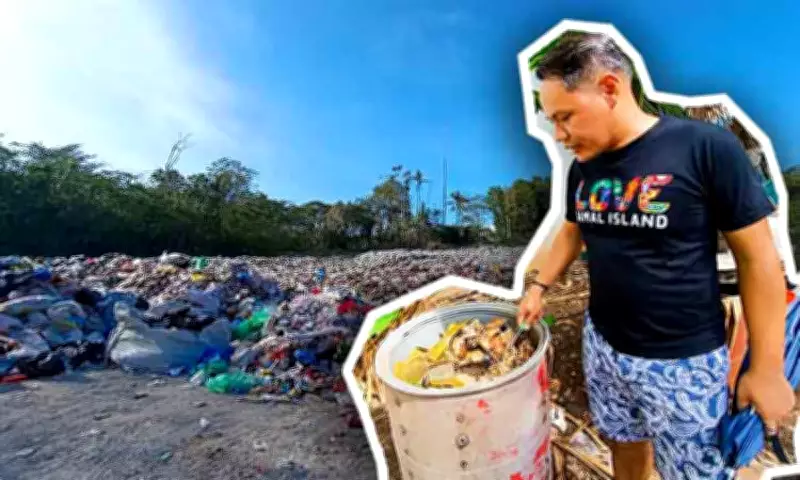
Local business owner Nino Sepulveda has taken a proactive stance against waste after retiring and starting a small enterprise. Observing the significant waste output, he sought methods to cut down on biodegradable materials. Initially, he experimented with a raised compost bed, but issues with rodents and insects prompted further research. He eventually devised a solution using a large plastic barrel with side holes, which allows biodegradable waste to ferment without attracting pests.
In an interview on February 16, 2026, Sepulveda emphasized the need for sustainable solid waste management practices, stating that as the island's population expands, tourism cannot thrive without community-wide efforts. He partnered with Interfacing Development Interventions for Sustainability (IDIS) to launch a pilot project in October 2025, involving ten households each in the barangays of Peñaplata, Katagman, and Limao. Participants were provided with plastic containers, and the initiative has already helped many households, including Sepulveda's own business, manage biodegradable waste effectively. The resulting compost serves as fertilizer, reducing the volume of waste sent to landfills to primarily non-biodegradable items, which are the only types collected by the local government.

Transforming Non-Biodegradable Waste into Livelihood Opportunities
Beyond composting, communities in Samal are finding creative ways to repurpose non-biodegradable waste. The Sinagtalang Hardin Adi Sa Pu ng Samal organization, for instance, produces citronella candles from coconut shells and rugs from used clothes, offering livelihood opportunities for persons with disabilities (PWDs). President Leoniel C. Candido reported that the group resumed operations post-pandemic and enrolled their project with the United Nations Development Programme (UNDP) last year to revive environmental and economic programs for PWDs.
The organization supplies materials like used clothes, and members focus on production, with products sold at pasalubong centers, resorts, and government offices. Since December 2025, they have made 50 rugs, each requiring five or more pieces of clothing, and PWD members can create three to four candles daily. However, challenges such as transportation costs for members in remote areas hinder production. Candido expressed hope to expand reach and job opportunities for the city's 1,700 registered PWDs, with 16 barangays actively engaged in livelihood programs.
Another group, the women-led Hugpong Mangagawa sa Isla, pioneers sustainable fashion by weaving sticky paper into bags and leis. Formed in 2013 with support from the Department of Trade and Industry (DTI), the organization has 35 members and showcases products at trade fairs as eco-friendly alternatives. Creating one bag involves 30 to 50 paper rolls, and collaborations with local artists enhance appeal, though prices increase with added designs. President Louell B. Crito highlighted the project's role in providing additional income for stay-at-home parents and aims to train others with local government support.
Harnessing Green Energy for Sustainable Tourism
As tourism boosts energy and water consumption on the island, some resorts are adopting greener alternatives. Arno Eves constructed Solar Houses in 2019, installing 24 solar panels that generate 10 kilowatts of power and utilizing rainwater for cleaning and irrigation. This system reduces electricity and water expenses, and Eves encourages other resorts to adopt similar technologies to lessen environmental impact.

Waste Management and Regulatory Efforts in Igacos
The City Environment and Natural Resources Office (Cenro) in Samal focuses on collecting only non-biodegradable waste like PET and glass bottles from homes and establishments to extend landfill lifespan. Mercel Fernin of Cenro-Samal noted that waste reduction efforts began with grassroots information campaigns, leading to improved segregation and reduced burning. The city uses compactor trucks to collect waste across 46 barangays grouped into three clusters, with scheduled pickups.
Forester Renato Latras explained that households mixing waste types are given three days to segregate properly, facing penalties for non-compliance. Fines range from P250 for first offenses to P1,500 for third offenses, plus orientation and community service. Despite strict rules, waste collection has increased due to more tourists and residents. Fernin hopes the local government will pass a Circular Economy Ordinance to formalize agreements with organizations for recovering materials and potentially collect food waste from large resorts.
Samal-Cenro collects about nine metric tons of recyclables daily and two metric tons of biodegradable waste from public markets, but not from homes or businesses. The circular economy approach, driven by climate emergencies and rising greenhouse gas emissions, aims to eliminate waste, keep resources in use longer, and regenerate ecosystems. The UNDP warns that global material use has jumped 65% in two decades, with food loss and e-waste mismanagement exacerbating issues. Without change, resource demand could require three Earths by 2050, underscoring the urgency of transitioning to circular models for long-term sustainability in Samal and beyond.