Kanlaon Volcano Eruption Triggers Ashfall Across Seven LGUs in Negros Occidental
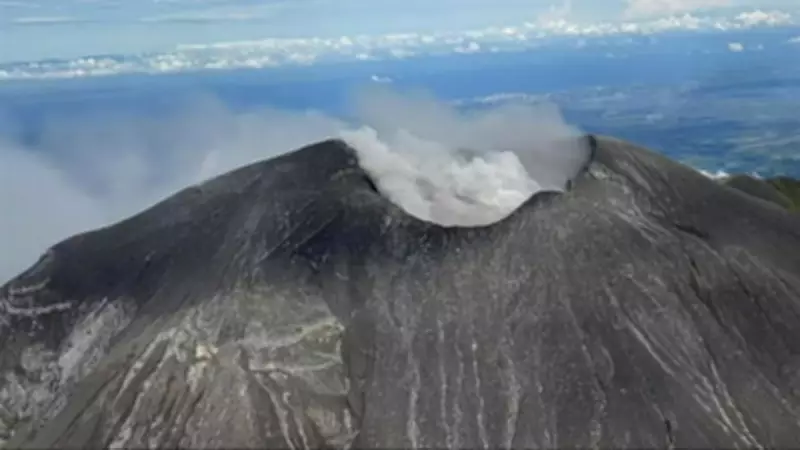
Seven local government units (LGUs) in Negros Occidental have reported significant ashfall and a distinct sulfuric smell following a moderately explosive eruption of Kanlaon Volcano on Thursday afternoon, February 19, 2026. The Philippine Institute of Volcanology and Seismology (Phivolcs) confirmed the eruption occurred at the summit crater at 4:39 p.m., lasting for approximately two minutes.
Eruption Details and Immediate Impacts
The explosive event generated a dense, dark plume that rose an estimated 2,000 meters into the atmosphere before drifting southwest. Pyroclastic density currents (PDCs) descended the upper slopes within one kilometer of the crater, with the southwest flank experiencing flows extending at least two kilometers downslope. Following the initial eruption, continuous ash emission persisted for forty minutes, leading to light to moderate ashfall in at least 41 barangays across the affected LGUs.
According to Negros Occidental records, the impacted areas include the cities of Bago and La Carlota, as well as the municipalities of Pontevedra, La Castellana, Moises Padilla, Hinigaran, and Valladolid. This widespread ashfall has disrupted daily activities and raised health and safety concerns among residents.

Precursors and Geological Context
Phivolcs noted that ten volcanic earthquakes preceded the eruption, indicating heightened seismic activity. Sulfur dioxide (SO2) emissions averaged 174 tonnes per day immediately before the event, a significant decrease from the 2,823 tonnes per day average recorded since June 3, 2024. The volcano has been inflating at low rates since 2022 due to magma intrusion, with the blockage of volcanic gas pathways and resulting pressure buildup identified as the primary cause of the eruption.
Despite the eruption, no pronounced increases in volcanic earthquakes or ground deformation have been observed in its aftermath, suggesting a temporary stabilization. However, Phivolcs has maintained Alert Level 2 over Kanlaon Volcano, warning that further moderate-intensity activity, such as ash emissions or short-lived explosions, remains possible.
Ongoing Hazards and Safety Measures
Potential hazards associated with future eruptions include dangers within the four-kilometer radius Permanent Danger Zone (PDZ), ash dispersion west of the volcano, and lahars in drainage channels. Phivolcs emphasized that communities within the PDZ must remain evacuated due to life-threatening risks, including PDCs, ballistic projectiles, and volcanic gas exposure.
Local government units are advised to prepare communities within the PDC hazard zone for possible evacuation if unrest escalates. Additionally, areas impacted by recent lahars should remain vigilant during intense rainfall, as water could erode loose ash, generating hot lahars and sediment-laden streamflow.
Civil aviation authorities have been instructed to advise pilots to avoid flying near the summit, as ash and ballistic fragments pose severe hazards to aircraft. These precautionary measures aim to mitigate risks and ensure public safety in the wake of Kanlaon's volcanic activity.