Mayon Volcano's Eruption Persists for 99 Days with Lava Fountaining Activity
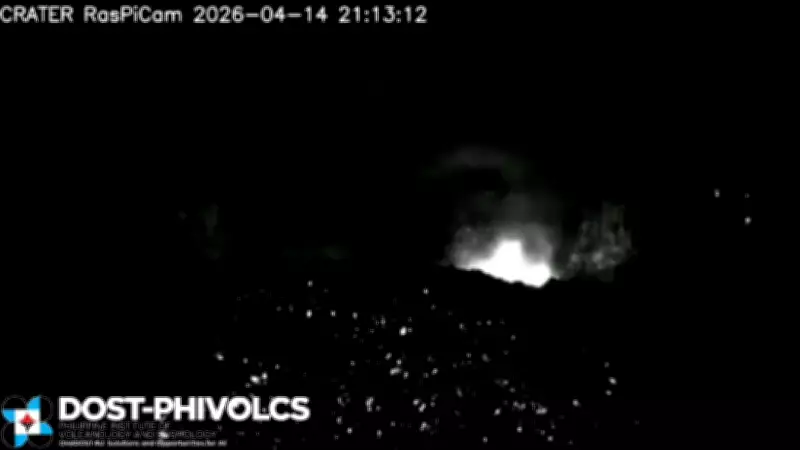
State volcanologists have reported a brief but significant lava fountaining event at the summit crater of Mayon Volcano on the evening of April 14, 2026. This activity marks the 99th consecutive day of the volcano's ongoing effusive eruption, according to the Philippine Institute of Volcanology and Seismology (PHIVOLCS). The event was captured in close-up footage by the Mayon Volcano Observatory, providing critical data for monitoring the volcanic unrest.
Details of the Volcanic Activity
The lava fountaining was recorded at approximately 9:13 PM, highlighting the persistent and dynamic nature of Mayon's eruption. Observers noted several hazardous phenomena associated with this event, including the flow of incandescent lava, pyroclastic density currents—commonly referred to as "uson" or ash clouds—and frequent rockfalls around the volcano's slopes. These observations underscore the volatile conditions that have characterized Mayon's activity over the past three months.
This recent episode follows a previous short-lived lava fountaining event documented by PHIVOLCS, which also included minor strombolian activity and a grass fire at the volcano's base. Such incidents emphasize the unpredictable and escalating threats posed by the eruption, necessitating continuous vigilance from authorities and residents alike.

Safety Measures and Alert Status
In response to the ongoing eruption, PHIVOLCS has maintained Mayon Volcano at Alert Level 3. This alert level signifies a high risk of hazardous eruptions and strictly prohibits entry into the 6-kilometer permanent danger zone (PDZ). The restriction is crucial due to the persistent threat of sudden volcanic explosions, lava flows, and other life-endangering phenomena.
Volcanologists warn that the eruption could intensify without warning, making adherence to safety protocols essential for protecting nearby communities. The prolonged duration of this eruption—now spanning 99 days—highlights the need for sustained monitoring and public awareness campaigns to mitigate risks.
Implications for the Region
The continuous volcanic activity at Mayon has significant implications for the surrounding environment and local populations. Incidents like lava fountaining and pyroclastic flows can lead to air quality degradation, soil contamination, and disruptions to agriculture and daily life. Authorities are urged to reinforce evacuation plans and provide support to affected areas to ensure resilience in the face of this natural disaster.
As Mayon Volcano's eruption enters its 100th day, experts from PHIVOLCS continue to analyze data and issue updates to keep the public informed. The combination of technological monitoring and community preparedness remains key to navigating the challenges posed by one of the Philippines' most active volcanoes.