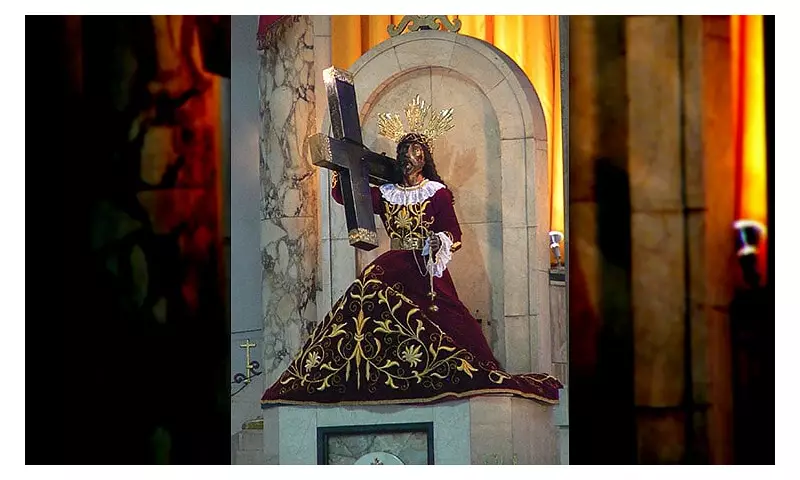
The annual religious procession honoring the Black Nazarene in Quiapo, Manila, resulted in hundreds of devotees requiring medical attention this year. The Philippine Red Cross (PRC) reported that its personnel provided emergency care to a significant number of participants over the three-day event.
Scale of the Medical Response
From January 8 to 10, 2026, a total of 849 individuals sought emergency medical assistance from the Philippine Red Cross. The organization had mobilized a substantial force for the occasion, deploying 1,200 staff and volunteers across the area. To manage the expected influx of cases, they established 17 first aid stations and set up a dedicated Emergency Field Hospital.
"Amid operational challenges and limited communication in certain areas, PRC volunteers and staff remained focused, responsive, and united by one mission: to protect life and uphold human dignity," the organization stated in a report on the event.

Breakdown of Medical Cases
The medical incidents ranged from minor complaints to more serious conditions. The PRC's data shows that nearly half of the patients, 413 individuals, required monitoring of their vital signs.
The majority of cases were classified as minor. There were 398 minor cases recorded, which included a variety of common ailments and injuries such as:
- Dizziness and fever
- Minor wounds, abrasions, and lacerations
- Sprains, contusions, and swelling
- Minor burns and punctured wounds
A smaller number of participants suffered from major medical issues. The Red Cross documented 13 major cases, which involved more severe conditions like deep lacerations, fractures, shortness of breath, deformities from injuries, severe headaches, and gum bleeding.
Hospitalizations and Critical Care
The on-site Emergency Field Hospital proved crucial, catering to 43 patients who needed immediate care beyond basic first aid. Furthermore, the situation required more advanced medical intervention for some devotees.
The PRC's emergency services were tasked with transporting 19 patients to various hospitals in Manila for further treatment and stabilization. This highlights the intensity of the event and the physical toll it can take on participants, many of whom join the massive procession as an act of faith and penance.
The annual feast of the Jesus Nazareno, known for drawing millions of devotees, consistently presents a major logistical and public health challenge for authorities and volunteer organizations like the Philippine Red Cross.