Earthquake Swarm in Sultan Kudarat Surpasses 700 Tremors, Phivolcs Reports
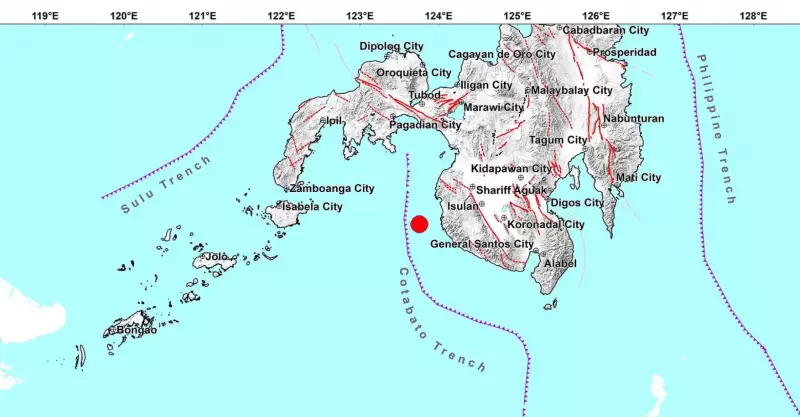
An ongoing series of earthquakes in the waters of Sultan Kudarat, which began in January 2026, has now exceeded 700 tremors, according to the latest data from the Philippine Institute of Volcanology and Seismology (Phivolcs). As of 6:00 AM on January 23, a total of 765 seismic events have been recorded, marking a significant escalation in activity that has raised concerns among local communities.
Detailed Breakdown of Seismic Activity
Phivolcs has provided a comprehensive analysis of the earthquake swarm. Out of the total tremors, 234 have been precisely plotted or identified by more than two monitoring devices, indicating a high level of accuracy in tracking the events. Notably, 30 of these earthquakes were felt by residents in the municipalities of Lebak and Kalamansig, highlighting the swarm's impact on populated areas.
The magnitude of the tremors has ranged from 1.4 to 5.2 on the Richter scale. While most of these are considered moderate to weak in intensity, the persistent nature of the swarm has instilled a sense of unease among locals. Authorities emphasize that even smaller tremors can contribute to cumulative stress on geological structures, warranting close monitoring.

Authorities Urge Vigilance and Preparedness
In response to the escalating seismic activity, Phivolcs and local government units have issued repeated advisories urging the public to remain alert. Residents are advised to stay informed through official channels and adhere to guidelines provided by disaster risk reduction management councils. Key recommendations include securing heavy furniture, preparing emergency kits, and identifying safe evacuation routes.
Phivolcs continues to maintain a 24/7 watch over the situation, with experts analyzing data in real-time to assess any potential risks. The institute has assured that additional updates will be released in the coming days as more information becomes available. This proactive approach aims to mitigate any adverse effects and ensure community safety amidst the ongoing geological unrest.
Broader Implications and Community Response
The earthquake swarm in Sultan Kudarat underscores the region's vulnerability to seismic events, given its location along tectonic boundaries. Local officials have initiated preparedness drills and information campaigns to educate residents on proper response protocols. Schools and businesses in affected areas are also reviewing their contingency plans to minimize disruption.
While no major damage or injuries have been reported so far, the psychological impact on communities cannot be overlooked. Continuous tremors, even of low magnitude, can lead to anxiety and stress, particularly among those who have experienced previous disasters. Phivolcs is collaborating with psychosocial support teams to address these concerns and provide necessary assistance.
As the swarm persists, scientists are studying patterns to better understand its causes, which could include tectonic shifts or volcanic activity. This research is crucial for improving early warning systems and enhancing the Philippines' overall resilience to natural hazards. The public is encouraged to report any unusual observations to authorities to aid in these efforts.