Typhoon Tino Death Toll Climbs to 269 Nationwide
The Office of Civil Defense confirmed on Monday, November 17, 2025, that the number of fatalities from Typhoon Tino has increased to 269 across the Philippines. The devastating storm has left a trail of destruction throughout the Visayas and southern Luzon regions.
Cebu Bears the Brunt of Typhoon's Fury
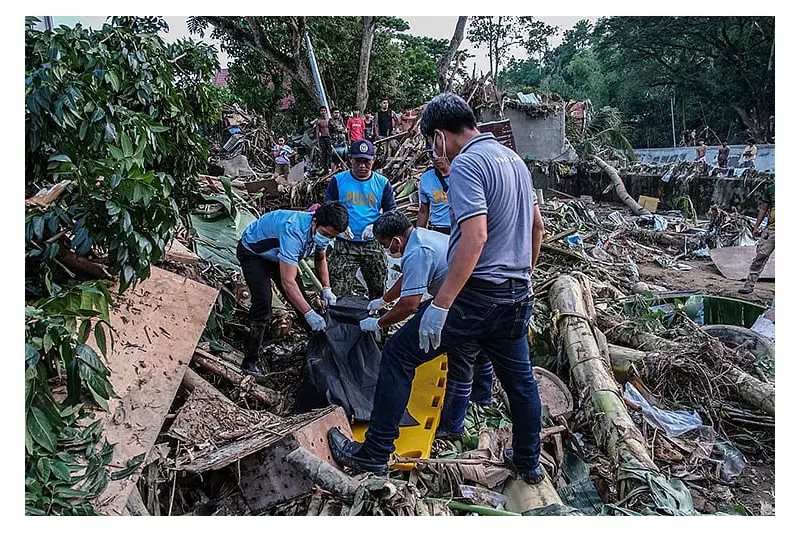
Cebu province recorded the highest number of deaths at 150, making it the hardest-hit area. The tragic human cost of the typhoon was highlighted on November 5, 2025, when recovery workers retrieved the body of a 72-year-old woman from a pile of trees in Sitio Hidden View 2, Barangay Bacayan, Cebu City.
Other provinces reported significant casualties including 77 deaths in Negros Occidental, 23 in Negros Oriental, six in Agusan del Sur, three in Capiz, two each in Leyte, Southern Leyte and Dinagat Island, and one fatality each in Antique, Iloilo, Guimaras, and Bohol.

The search continues for missing individuals with 57 people still unaccounted for in Cebu, 50 in Negros Occidental, and six in Negros Oriental.
Massive Damage to Agriculture and Infrastructure
According to the National Disaster Risk Reduction and Management Council, the agricultural sector suffered damages worth over P484.8 million as of November 16. The infrastructure sector incurred nearly P500 million in damages, compounding the economic impact of the disaster.
The typhoon's destructive force damaged 265,153 houses and affected over five million individuals or approximately 1.5 million families throughout the affected regions.
Super Typhoon Uwan Adds to National Crisis
Meanwhile, the country faces additional challenges from Super Typhoon Uwan, which has claimed 27 lives with two individuals reported missing. The agriculture sector in Uwan-affected areas suffered nearly P1.8 billion in damages, while infrastructure damage reached P2.3 billion.
Uwan damaged 265,675 houses and affected 6.9 million individuals or almost two million families, creating a compounded disaster response challenge for authorities.
The back-to-back typhoons have created one of the most challenging disaster response situations in recent Philippine history, with recovery efforts ongoing across multiple regions.