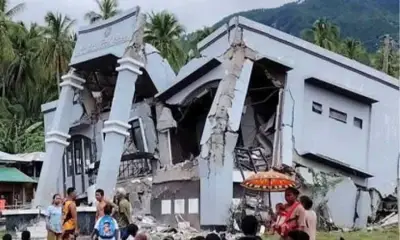
A recent landslide at a dumpsite has tragically claimed lives, casting a grim shadow over the Philippines' long-standing struggle with waste management. This devastating event painfully echoes the Payatas trash slide disaster that occurred 25 years ago, underscoring a systemic failure that continues to endanger Filipino communities.
A Legacy of Unlearned Lessons
This incident reveals a broken system that has repeatedly failed its people. Experts argue this tragedy was preventable had the root causes of waste and pollution been decisively addressed decades earlier. The Ecological Solid Waste Management Act of 2000 (RA 9003) was enacted precisely to prevent such disasters through source reduction and segregation. However, consistent enforcement has remained elusive for over a quarter of a century.
Local government units are overwhelmed by the ever-growing tide of residual waste, particularly single-use plastics, which inevitably end up in landfills. Despite the law's mandate, the country still lacks a robust national policy to regulate single-use plastics. Furthermore, the Department of Environment and Natural Resources and the National Solid Waste Management Commission have struggled to finalize a comprehensive Non-Environmentally Acceptable Products and Packaging (NEAPP) list.

Flawed Laws and Corporate Accountability
The legislative response has been criticized as inadequate. In 2022, the government passed the Extended Producer Responsibility (EPR) Law (RA 1198), which environmental groups label as toothless and biased toward industry. Instead of mandating upstream solutions like reduction and reuse, the law's focus on waste recovery and its allowance for controversial methods like waste burning have failed to curb plastic pollution.
Greenpeace Philippines is urging the government to demonstrate urgent political will. Their demands include:
- Fully implementing RA 9003 by enforcing single-use plastic bans and promoting reuse systems.
- Expanding and enforcing the NEAPP list.
- Amending the EPR Law to set clear, binding targets for actual plastic reduction and the implementation of reuse systems, moving beyond mere waste recovery.
Corporations, especially fast-moving consumer goods companies and retailers reliant on disposable packaging, must be held accountable for driving the plastic crisis. A mandatory shift toward drastically reducing plastic production and investing in refill and reuse systems is essential.
Communities Bear the Brunt
Landslide casualties represent only the most visible tip of the iceberg. Communities living near dumpsites face daily risks from pollution and toxic effluents. Often, it is the most vulnerable and underserved populations—those with the least resources and political power—who are forced to reside near these hazardous sites. The country's escalating waste crisis only heightens these dangers.
The message from environmental advocates is clear: the government must not wait for another tragedy. Decisive action to address the plastic pollution crisis is needed now to prevent history from repeating itself yet again.