Bacolod City and DOE Forge Partnership for Sustainable Energy and Waste Management
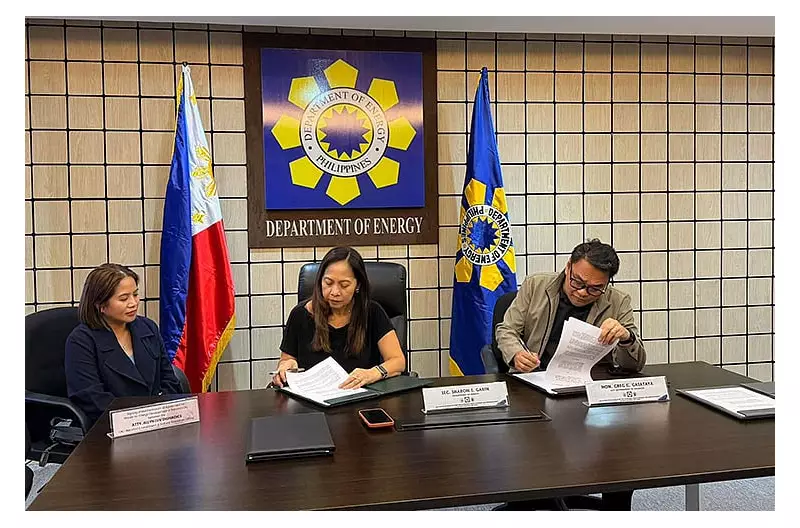
BACOLOD. In a significant move toward sustainable development, the Bacolod City Government and the Department of Energy (DOE) have formalized a memorandum of agreement (MOA) to advance Waste-to-Energy (WTE) initiatives and launch a comprehensive solar energy program for public buildings. This collaboration marks a pivotal step in integrating renewable energy and efficient waste management practices in the city.
Key Signatories and Agreement Details
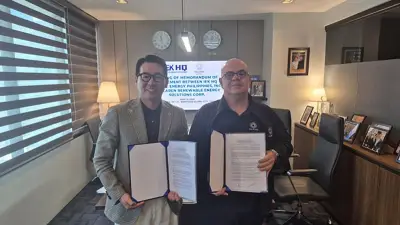
The MOA was signed on Monday, January 26, 2026, at the DOE Central Office in Bonifacio Global City, Taguig City. The ceremony was led by Mayor Greg Gasataya and DOE Secretary Sharon Garin, with lawyer Allyn Luv Dignadice, head of the Bacolod Environment and Natural Resources (Benro), also in attendance. This agreement establishes a framework for technical cooperation and coordination between the two entities, focusing on the development of a WTE facility and the implementation of energy-efficient technologies.
Solar Solutions Program for Government Buildings
Concurrently, the DOE launched the "Solar Solutions for Government: Energy Efficiency and Renewable Energy in Public Buildings" program. This initiative aims to institutionalize energy efficiency in the public sector by deploying advanced technologies, including:

- Light-emitting diode (LED) lighting systems
- Inverter-type air-conditioning units
- Smart metering systems
- Solar photovoltaic (PV) installations
- Electric vehicle charging infrastructure
These measures are projected to help government entities reduce electricity and fuel consumption by at least 10 percent, aligning with the Government Energy Management Program (GEMP) and national energy efficiency goals.
Waste-to-Energy Project as an Environmental Solution
Complementing the solar program, the WTE project offers an environmentally sound approach to waste minimization. By converting solid waste into usable electricity, heat, or fuel, this technology reduces methane emissions and provides local government units (LGUs) with both effective waste management and an additional power source. Under the agreement, the DOE and Bacolod City will collaborate to:
- Identify the most feasible WTE technology
- Facilitate access to technical data for developers
- Select a qualified project partner
The partnership also covers work program development, regular progress monitoring, and information, education, and communication (IEC) campaigns to build public awareness and support.
Bacolod's Commitment and Historical Context
In 2022, the DOE commissioned a study titled "Assessment of the Potential of WTE Technology in the Philippines," which identified Bacolod City as a viable location for such a project. Mayor Gasataya recently visited the city's 30-plus-hectare sanitary landfill and reiterated Bacolod's commitment, calling the WTE initiative a potential game changer for addressing local waste challenges. He emphasized that the city will not limit efforts to efficient garbage collection and landfill management but will proactively pursue a waste-to-energy plant.
With the agreement in place, Bacolod City will receive technical assistance and institutional support for a WTE facility capable of generating up to 10 megawatts of power, thereby strengthening the city's energy security and sustainability efforts.
Recognition and Future Outlook
DOE Secretary Sharon Garin commended Bacolod City for being among the first LGUs to actively pursue a WTE initiative in partnership with the department. She praised the city's progressive leadership and highlighted how the project addresses multiple issues, including garbage, flooding, sanitation, and energy, creating a holistic solution for a greener Bacolod.
Through this partnership, Bacolod City is positioning itself as a model for sustainable governance, integrating energy efficiency, renewable energy, and responsible waste management to build a cleaner, greener, and more resilient community for current and future generations.