Central Visayas Accelerates Renewable Energy Transition Amid Global Fuel Supply Crisis
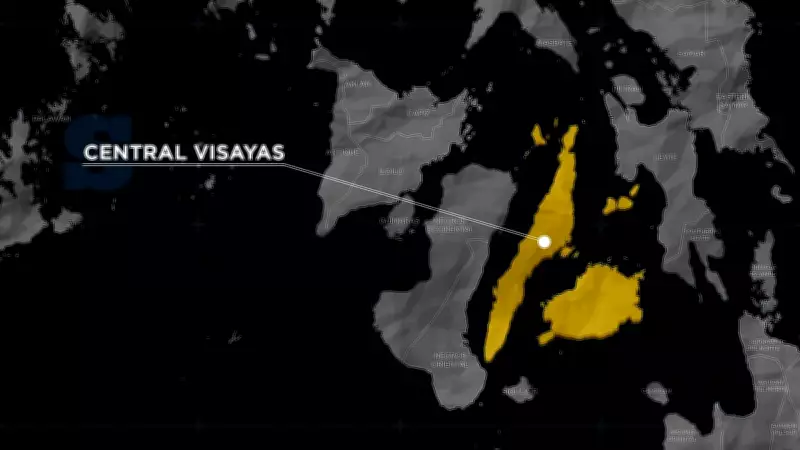
Regional leaders in Central Visayas are taking swift action to safeguard the local economy as escalating international tensions jeopardize the Philippines' fuel supply. With conflicts involving the United States, Israel, and Iran disrupting global trade, officials are advocating for a decisive shift toward renewable energy to ensure the region's operational stability.
Why This Matters to You
The volatility of the global oil market has underscored the risks of relying on imported fuel. Cebu Governor Pamela Baricuatro emphasized that these international disruptions necessitate greater efficiency in resource management by local leaders.
To facilitate this transition, local governments are being urged to update regulations to streamline the purchase of electric vehicles and encourage businesses to adopt solar power. Additionally, there is a proposal to integrate hydropower plants into the design of eight new dams planned for Metro Cebu, enhancing renewable energy capacity.

A National Energy Emergency Declared
The situation reached a critical juncture in late March when the National Government declared an energy emergency. This declaration enabled Petron Corp., the country's primary oil refiner, to procure 2.48 million barrels of Russian crude oil to avert a potential shortage.
This measure was deemed essential due to blockages in key shipping routes:
- The Strait of Hormuz: A closure here obstructed two million barrels of oil.
- The Red Sea: Heightened risks in this area led to the cancellation of another two million barrels.
Currently, the Middle East supplies 98 percent of the Philippines' crude oil, rendering the nation highly susceptible to disruptions when these vital shipping lanes are compromised.
Challenges for Local Communities
While the National Government is implementing a program titled "Unified Package for Livelihoods, Industry, Food and Transport" to stabilize prices and provide subsidies, local leaders express a need for more detailed information.
Cebu City Mayor Nestor Archival highlighted that although fuel supplies are assured through mid-year, there is no clear timeline for fuel rationing. Without a concrete plan, local officials fear they may struggle to manage potential long queues at gas stations. Director Desiree Joy Narvaez of the Department of Economy, Planning and Development confirmed that her team is actively developing official guidelines to address these gaps.
What Happens Next?
To maintain organization, the region is establishing a special committee to manage the crisis. This group will coordinate assistance across various sectors and establish a "one-stop shop" to support overseas workers returning home due to conflicts abroad.
The ultimate test will be the sustainability of these emergency measures. Petron may need to acquire additional Russian oil if alternative sources remain blocked, a process that involves navigating complex international trade regulations. For now, Central Visayas awaits National Government approval on local requests, such as suspending the value-added tax on fuel, to help alleviate costs for everyday citizens.