Mindanao Sets Ambitious Renewable Energy Target for 2030
In a bold move to transform its energy landscape, Mindanao is actively working toward achieving a 50:50 ratio of renewable energy to fossil fuels by 2030. This initiative aims to reduce electricity costs and improve supply stability across the region, as announced by Romeo Montenegro, assistant secretary of the Mindanao Development Authority (MinDA).
Strategic Shift Away from Fossil Fuels
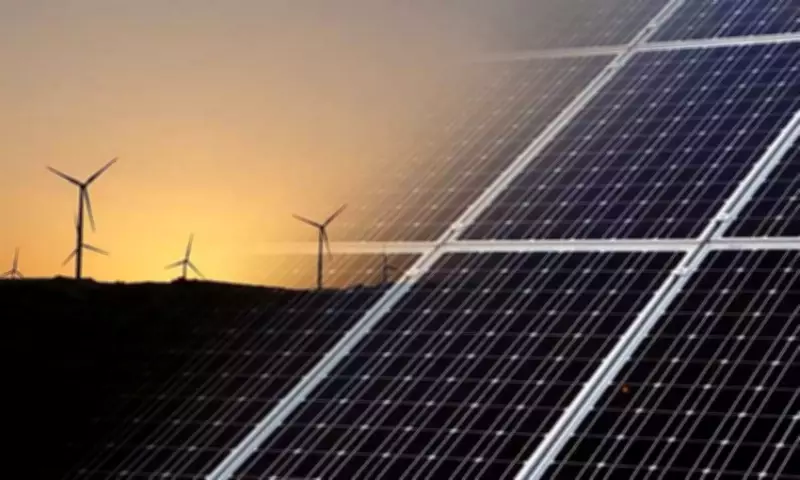
During the Habi at Kape event at Abreeza Mall on Wednesday, April 15, 2026, Montenegro emphasized the urgency of this transition. "Due to the current situation that we are facing, due to the rise of fuel, we should be less dependent on imported sources and need to transition into more renewable energy," he stated. This plan involves phasing out aging coal facilities while accelerating the development of renewable energy sources such as geothermal, solar, and biomass.
Historically, rapid industrialization and population growth in Mindanao led to a reliance on coal-fired power plants to prevent energy shortages. However, the proposed 50:50 mix seeks to restore the region's leadership in renewable energy while maintaining reliability. Montenegro highlighted that increasing the share of renewable energy will make Mindanao more resilient to external shocks, particularly fluctuations in global fuel prices.

Progress and Investments
Montenegro reported that Mindanao has already achieved approximately 40 percent of the 2030 target, describing it as a step-by-step process. The government has coordinated with both public and private sectors to support the project, with investments expected in pesos and dollars for the construction of new power plants. MinDA, in coordination with the Department of Energy (DOE), is closely monitoring the development of small power plants, including hydro and biomass facilities across different parts of the region.
Current renewable energy output is estimated at around 1,000 to 1,500 megawatts, which is projected to provide a more stable and sufficient energy supply by 2030. Montenegro stressed the need to maintain proper balance and procedures in integrating renewable energy sources, such as solar and hydropower generated from water sources, to meet consumer demand effectively.
Long-Term Benefits and Global Context
The long-term benefits of this initiative include lower electricity costs and reduced environmental impact from the carbon emissions of coal-fired power plants. This aligns with broader global energy trends, as highlighted in a recent report by the International Energy Agency. The report noted that the world is set to make abundant energy by the second half of the decade due to surging production of solar panels and wind turbine infrastructure, but it also warned of an excess of planet-warming fossil fuels and that global efforts are still insufficient to cap warming to 1.5 degrees Celsius above preindustrial times.
By balancing the grid so that half of Mindanao's power supply comes from renewable sources, the region aims to not only cut costs and enhance stability but also contribute to environmental sustainability. This strategic shift underscores a commitment to a greener and more resilient energy future for Mindanao.