Massive Coastal Cleanup in Aurora Removes Over 283 Kilograms of Waste
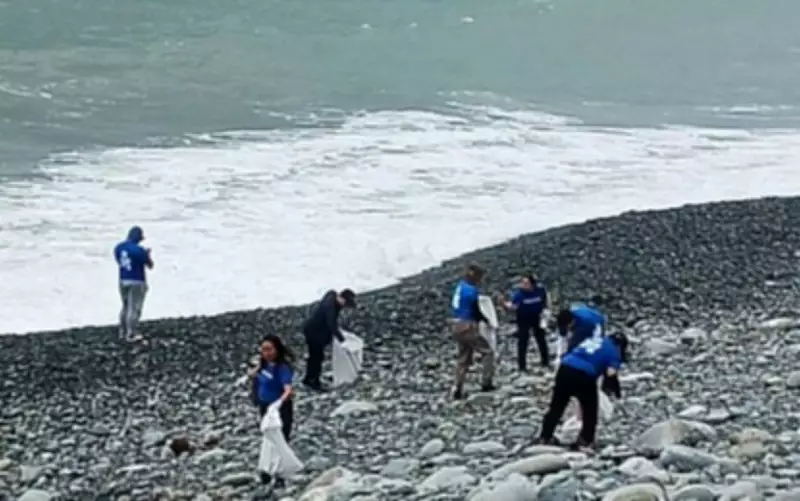
In a significant environmental initiative, nearly 100 students and volunteers converged on Barangay Ditale in the Municipality of Dipaculao, Aurora Province, on Friday, February 20, 2026. The Coastal Clean-Up Drive and Climate Resilience Advocacy event, spearheaded by Americares Philippines, resulted in the collection of a staggering 283.7 kilograms of trash from the coastal area and adjacent vacant lots.
Celebrating Anniversary with Action and Advocacy
The cleanup marked a poignant moment for Americares Philippines, commemorating its 12th anniversary by returning to one of its earliest communities assisted. Country Director Paul Gwyn Pagaran expressed gratitude to local officials and participating students, emphasizing the organization's commitment to the region. "This event symbolizes our enduring partnership with communities on the front lines of climate vulnerability," Pagaran stated during his remarks.
Barangay Ditale, situated on the Pacific Ocean's front line, faces extreme vulnerability to typhoons and destructive storm surges. This reality was tragically underscored in November 2025 when Super Typhoon Uwan (internationally known as Fung-wong) battered the area with severe storm surges and landslides. The typhoon isolated the town and caused extensive infrastructure damage, prompting Americares to deliver critical emergency aid including medicines, hygiene kits, and safe water supplies.

Collaborative Spirit and Ongoing Support
Rowena Asan, Head of the Dipaculao Municipal Social Welfare and Development Office, highlighted the power of collaboration. "Everyone is helping; rehabilitation moves faster because you're with us," she remarked, acknowledging Americares Philippines' sustained involvement. This partnership extends beyond immediate disaster response, with Pagaran pledging continued support through mobile medical units and essential mental health services for the community.
Prior to the cleanup operation, organizers distributed safety equipment including reusable trash bags, tongs, and durable gloves to all participants. Volunteers meticulously scoured the coastline and nearby grassy inland areas, uncovering a disturbing array of waste.
Revealing the Composition of Coastal Pollution
Pagaran provided detailed observations about the collected debris. Along the shoreline, a significant portion consisted of cigarette butts forcefully wedged into large rocks displaced by Typhoon Uwan's powerful waves. Inland, volunteers encountered burned plastics, bottle caps, broken household items, and discarded junk food wrappers littering dense grassy zones.
"These areas not only blight the landscape but create potential mosquito breeding grounds by trapping stagnant rainwater, posing additional health risks," Pagaran explained. He noted that local residents already conduct weekly beach cleanups, demonstrating community-led environmental stewardship.
Recognition and Broader Legacy
The event included recognition for outstanding efforts, with six students receiving prizes for collecting the heaviest sacks of trash. All participants were awarded certificates of appreciation for their contribution. Pagaran also reflected on the broader legacy of Americares, noting that while the Philippine chapter celebrates 12 years, its parent organization in the United States has been operating for five decades, underscoring a long-term commitment to global health and disaster response.
This cleanup drive serves as a powerful example of how localized action, when combined with organizational support and community collaboration, can address immediate environmental concerns while building long-term resilience against climate impacts in vulnerable coastal regions.