Cebu City Aims to Turn Trash into Treasure with New Deposit-Return Scheme
In a bold move to combat mounting waste issues, Cebu City is considering a transformative ordinance that would assign direct monetary value to empty beverage containers. The proposed "Cebu City Plastic Waste Reduction and Producer Responsibility Ordinance of 2026," spearheaded by Councilor Joel Garganera, seeks to establish a refundable deposit system for all polyethylene terephthalate (PET) bottles, glass containers, and aluminum cans sold within the city limits.
How the Cash-for-Trash System Works
Under this innovative measure, every recovered plastic bottle or glass container will carry a rebate value of P2, while aluminum cans will be worth P1. These amounts must be clearly displayed at points of sale, including on receipts, price tags, or signage, indicating that the purchase price includes the refundable deposit. Consumers can then return these items to supermarkets, participating retailers, authorized collection points, or accredited redemption centers to claim their refund in cash, electronic credit, or store credit.
Why this initiative matters: It creates an immediate economic incentive for both everyday consumers and informal waste pickers to return materials rather than discard them. Establishments collecting returned containers must remit them to authorized recyclers or materials recovery facilities, shifting the burden of waste management away from city operations and onto producers and distributors.

Addressing a Critical Waste Crisis
This system responds directly to recent waste management incidents and severe operational pressures that previously led to a declared state of calamity in Cebu City. By requiring manufacturers, distributors, and supermarkets to facilitate collection and redemption, the local government aims to support the 2026 mayoral executive order that strictly prohibits the collection of unsegregated garbage.
The bigger picture: Deposit-return and rebate systems for beverage containers represent a fundamental shift in city waste strategy. Such systems have proven effective in increasing recycling rates, encouraging public participation in waste segregation, and supporting both formal and informal waste recovery sectors.
Compliance and Infrastructure Requirements
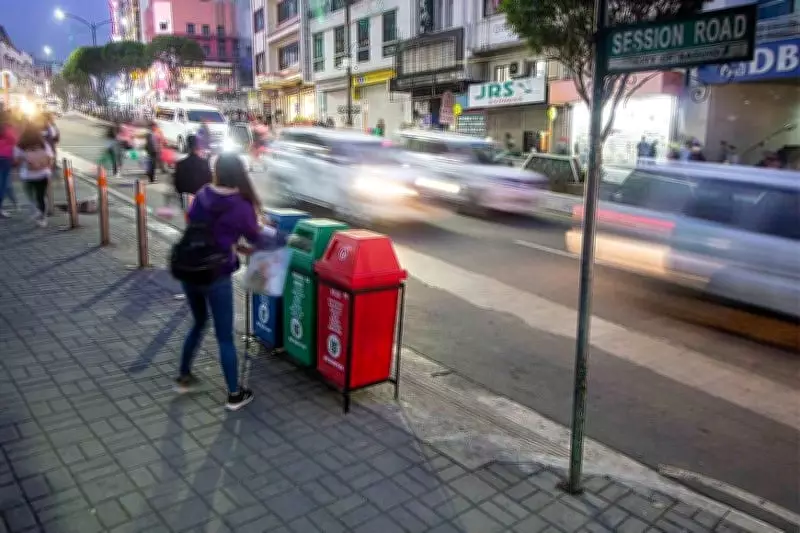
To ensure broad compliance, the ordinance mandates that all establishments install and maintain clearly labeled, color-coded collection bins for PET bottles, plastic packaging, glass bottles, and aluminum cans within six months of approval. Small-scale manufacturers and micro-enterprises may apply for simplified compliance modalities and receive technical assistance from the City Government.
Collecting establishments must keep detailed records regarding the type, weight, volume, date, and recipient of collected recyclables, submitting quarterly reports to the Cebu City Environment and Natural Resources Office.
Enforcement and Penalties
The long-term success of the ordinance relies heavily on strict enforcement and transparent management of collected funds. Establishments must report unclaimed deposits within 12 months, which can be used to cover collection and transport costs or remitted to a city-managed Environmental Recovery Fund.
Authorities plan to enforce compliance through a tiered penalty system:
- Failure to install bins results in a written warning, followed by fines ranging from P10,000 to P25,000 and suspension of business permits for up to 30 days.
- Improper labeling or refusing to accept returned containers carries fines between P5,000 and P30,000.
- Supermarkets and manufacturers that fail to register their rebate scheme or refuse to pay refunds face fines up to P30,000, with selling privileges suspended until issues are rectified.
Repeated violations could lead to permanent revocation of business permits, and suspected fraud—such as falsified records or misappropriated funds—will be referred for criminal investigation. All collected fines will go to the Cebu City Environmental Recovery and Recycling Fund to support waste management programs and assist waste workers. The City Government guarantees no penalties without proper notice and a 15-day appeal opportunity.