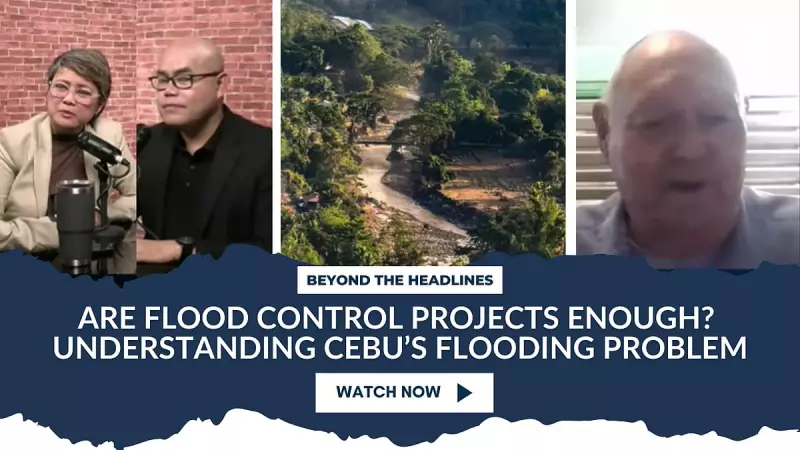
As Cebu continues to grapple with recurring flooding incidents during heavy rainfall, questions are being raised about the effectiveness of current flood control measures and whether infrastructure projects can truly solve the city's water management challenges.
The Persistent Flooding Problem in Urban Cebu
Recent heavy downpours have once again exposed Cebu's vulnerability to flooding, with several areas experiencing waist-deep waters that disrupted transportation, damaged property, and affected thousands of residents. The frequency and intensity of these flooding events have prompted serious discussions among urban planners, environmental experts, and local government officials about the adequacy of existing flood control infrastructure.
The problem extends beyond mere infrastructure limitations, touching on urban development patterns, environmental degradation, and climate change impacts. As Cebu continues its rapid urbanization, the natural landscape that once absorbed rainfall has been replaced by concrete surfaces that prevent water absorption and accelerate runoff into drainage systems.

Current Flood Control Initiatives and Their Limitations
Local government units have implemented various flood control projects across Metro Cebu, including the construction of drainage systems, river channel improvements, and retention basins. These engineering solutions aim to manage water flow during heavy rainfall and direct floodwaters away from populated areas.
However, experts point out that traditional infrastructure approaches alone may be insufficient to address the complex nature of urban flooding. The capacity of drainage systems often proves inadequate during extreme weather events, and maintenance challenges can reduce their effectiveness over time. Sedimentation, garbage accumulation, and unauthorized structures along waterways further complicate flood management efforts.
Environmental advocates emphasize that addressing the root causes of flooding requires a more holistic approach that combines structural solutions with sustainable urban planning and environmental conservation. The loss of natural watersheds, deforestation in upland areas, and the reduction of green spaces in the city all contribute to the flooding problem that engineered solutions struggle to contain.
Towards Comprehensive Flood Management Solutions
Urban planning experts suggest that a multi-faceted strategy is necessary to effectively address Cebu's flooding challenges. This includes not only expanding and maintaining drainage infrastructure but also implementing green urban design principles that enhance natural water absorption.
Sustainable approaches gaining attention include:
- Developing more green spaces and parks that can absorb rainwater
- Implementing rainwater harvesting systems in buildings
- Restoring and protecting natural waterways and easements
- Incorporating permeable surfaces in urban design
- Improving waste management to prevent drainage clogging
The integration of nature-based solutions with traditional engineering represents the most promising path forward. These approaches not only help manage flood risks but also provide additional benefits such as improved air quality, enhanced biodiversity, and better quality of life for urban residents.
As climate change increases the frequency of extreme weather events, the urgency of developing effective, sustainable flood management strategies for Cebu becomes ever more critical. The collaboration between government agencies, urban planners, environmental experts, and community stakeholders will determine how well the city can adapt to these challenges and protect its residents from future flooding disasters.