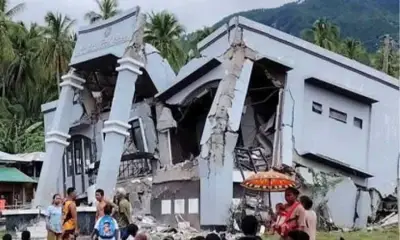
Infrastructure damage from the powerful 7.8 magnitude earthquake that struck off the coast of Maasim, Sarangani, has surpassed the P1 billion mark, according to the latest situational report from the National Disaster Risk Reduction and Management Council (NDRRMC). The quake, considered one of the strongest to hit Mindanao, has caused widespread destruction.
Extent of Damage
As of 6:00 a.m. on Sunday, June 14, 2026, the NDRRMC reported that 725 infrastructure facilities were affected across the impacted areas. Additionally, authorities recorded 54,000 damaged houses, including 9,900 completely destroyed and 44,100 partially damaged.
Casualties and Displacement
The disaster has also resulted in significant loss of life and injuries. The NDRRMC confirmed 61 fatalities, with 54 in Soccsksargen and seven in the Davao Region. A total of 1,403 people were injured, most of them in Soccsksargen. Search operations continue for 40 missing individuals, 22 from the Davao Region and 18 from Soccsksargen.

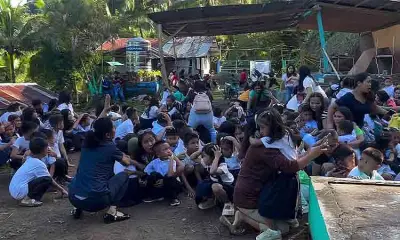
The earthquake affected an estimated 173,000 families, or approximately 724,000 individuals, across the affected regions. Currently, 34 evacuation centers are operational, sheltering about 2,000 families or 10,000 individuals who were forced to leave their homes due to safety concerns and severe structural damage.
State of Calamity and Relief Efforts
The extensive damage has prompted local governments to place 13 cities and municipalities under a state of calamity, allowing faster access to emergency funds and resources for relief and recovery operations. Despite ongoing assistance, authorities acknowledge that rehabilitation will require substantial funding and resources, particularly for repairing and rebuilding damaged roads, bridges, public buildings, schools, and other essential facilities.
The NDRRMC reported that government agencies and local governments have provided P67.6 million worth of aid to affected families, including food packs, emergency shelter materials, and other relief supplies.
Ongoing Operations
Emergency responders continue to conduct damage assessments, clearing operations, and search-and-rescue missions in the hardest-hit communities, even as aftershocks persist in parts of Mindanao. Officials noted that the latest figures may still change as assessment teams reach remote areas and verify reports from local disaster management offices.