In Cebu City, finding a safe, shaded public space where nature and relaxation are guaranteed feels less like a weekend plan and more like a scavenger hunt. Ideally, a park is a sanctuary where one can spend an entire day under a canopy of trees. But in our city, the reality is often a stark contrast — less ''green lung'' and more ''concrete plaster'' surrounded by a few lonely bushes.
What is ''parkmaxxing''?
A new online trend called ''parkmaxxing'' has emerged, focusing on the intentional act of spending time in parks to people-watch, socialize and reconnect with nature. It''s an exercise in being fully present — whether through picnics, sunset watching, reading or simply enjoying a siesta. It is a vital movement to combat rising screen time and foster genuine human connections.
In Auckland, New Zealand, Cornwall Park has gone viral as a premier urban oasis. It''s a sprawling green space where you can ''parkmaxx'' among grazing sheep and century-old trees, offering a literal escape into nature within the city.

But for Cebuanos, the question remains: How do you ''parkmaxx'' when the city lacks the parks to do it in?
The current landscape
Even within a city center dominated by relentless pavement, a few resilient patches of green offer a momentary escape. In Talamban, Family Park stands as a rare sanctuary where one can lay a picnic mat on actual grass rather than hot concrete. Closer to the urban heart, Plaza Independencia serves as the city''s primary ''lung,'' where centuries-old acacia trees weave a canopy that offers a cool reprieve from the sweltering heat.
However, these shouldn''t be ''hidden gems'' we have to hunt for. Public spaces are the heartbeat of a liveable city — the arenas where community happens and where we disconnect from the digital noise.
Voices from the concrete
The lack of greenery isn''t just an aesthetic issue; it''s a quality-of-life crisis. For Shan Villegas, who navigates the high-pressure corporate world, the search for a breather is often a dead end.
''Whenever the workday gets heavy and I look for a green space near the office just to clear my head, I''m met with a wall of gray,'' Villegas said. ''Integrating nature into our urban landscape isn''t just about the view — it''s a vital shield against the heat and a necessary step toward making our city climate-resilient.''
Carl Ocampo, a multimedia professional, argues for a shift in urban priorities, asserting that greenery should never be an afterthought. ''A city that breathes is a city that thrives,'' he said. ''If we want a truly livable Cebu, public parks must be at the core of its design.''
A call for change
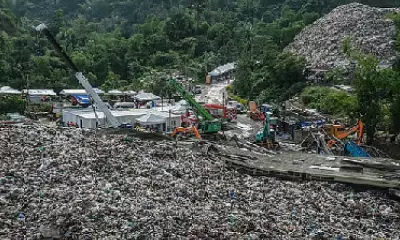
According to a 2025 SunStar Cebu report, Cebu now holds the lowest forest cover in the Philippines, having lost roughly 10,000 hectares over the past two decades. This environmental decline, fueled by rapid urbanization and a lack of structured urban planning, has left the province with a critical shortage of essential open spaces.
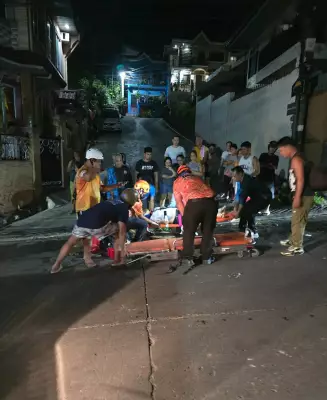
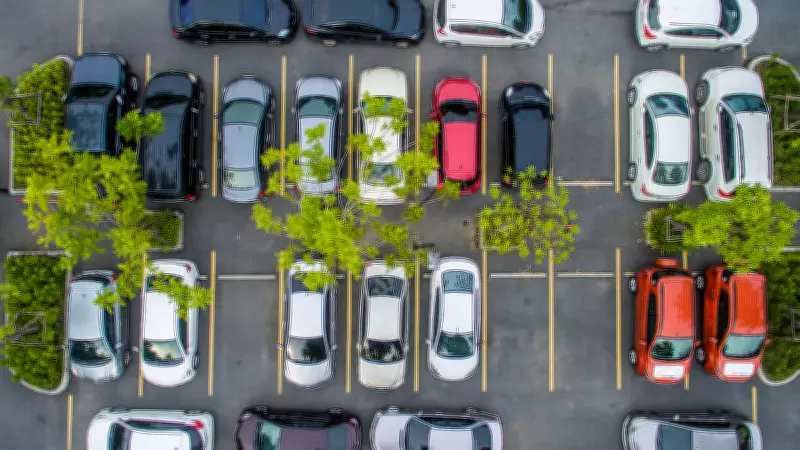
Currently, commercial malls have become the default ''parks'' of Cebu and the lack of quality sidewalks has even led to increased pedestrian accidents.
This scarcity hampers our environment and our community spirit. We shouldn''t have to settle for ''concrete gardens.'' It is time to advocate for a Cebu that prioritizes people over pavement, ensuring that ecological health is woven into the city''s growth.