Davao City Intensifies Waste Management Efforts Amid Growing Garbage Crisis
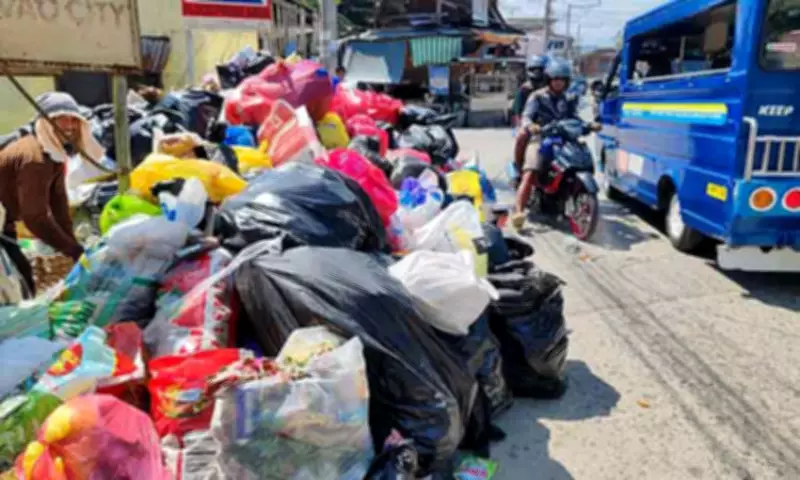
Personnel from the Davao City Environment and Natural Resources Office (Cenro) worked diligently under the scorching sun on Sunday, January 18, 2026, collecting sacks of accumulated garbage at Phase 5 in El Rio Vista Village, Bacaca. This scene highlights the ongoing waste management challenges confronting the city, where daily garbage collection has surged to approximately 700 to 800 tons. This volume is stretching existing collection systems and landfill capacity to their limits, necessitating urgent expansion of facilities and enhanced segregation practices.
Community Impact and Collection Delays
Delays in garbage collection in various barangays have led to foul odors and numerous community complaints, underscoring the critical need for stronger enforcement and greater public cooperation in proper waste disposal. The situation has become a pressing urban issue, with residents experiencing direct negative effects from the accumulation of waste.
Waste-to-Energy Project as a Proposed Solution
In response to this escalating problem, the city government of Davao is actively pursuing a waste-to-energy (WTE) project. Councilor Temujin “Tek” Ocampo, chair of the Committee on Environment, confirmed the city's continued engagement with the Japanese government and openness to partnerships with other nations to advance this initiative. Ocampo expressed optimism about the project's implementation despite facing significant challenges and opposition.

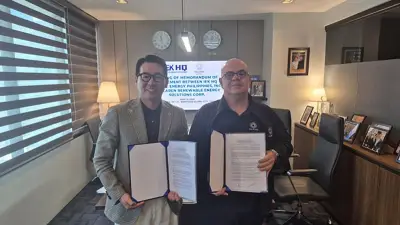
The local government has already signed a memorandum of agreement with Japan for the WTE project. Additionally, potential partners from South Korea, Australia, and Malaysia have shown interest in collaborating. Ocampo emphasized that the city continues to work with environmental groups to develop policies beneficial to Davao, even as some groups oppose the WTE approach.
International Endorsements and Technological Assurance
Councilor Ocampo defended Japan's expertise in WTE operations, referencing a visit to facilities in Kitakyushu where plants operate near residential areas without reported health issues. "We rely on their assurance because they are experts and have used and improved this technology for decades," he stated during the Pulong-Pulong sa Dabawenyos on April 21 at the Sangguniang Panlungsod. He added that the city plans to adopt more advanced WTE technology if the project moves forward.
Japanese Ambassador Endo Kazuya earlier endorsed WTE technology as a viable solution to Davao's waste problem, describing it as a safer alternative to traditional disposal methods. He noted that modern WTE systems operate under strict environmental standards and argued that existing landfills may pose greater risks to public health and the environment.
Environmental Opposition and Public Scoping
Despite these assurances, environmental group Interfacing Development Interventions for Sustainability (Idis) has voiced strong opposition to the project. The group contends that WTE technology contradicts circular economy principles, which prioritize waste reduction, reuse, and recycling over energy conversion from waste.
The Department of Environment and Natural Resources–Environmental Management Bureau in Davao Region (DENR-EMB Davao) recently announced the commencement of public scoping for the proposed WTE project. This initial step in the Environmental Impact Assessment process provides a platform for stakeholders, communities, and advocacy groups to raise concerns. The agency clarified that this activity does not determine the project's approval or rejection but is essential for gathering input and addressing potential issues.
As Davao City grapples with its mounting garbage crisis, the pursuit of the waste-to-energy project represents a significant and controversial strategy to manage waste more effectively while meeting the city's growing needs.