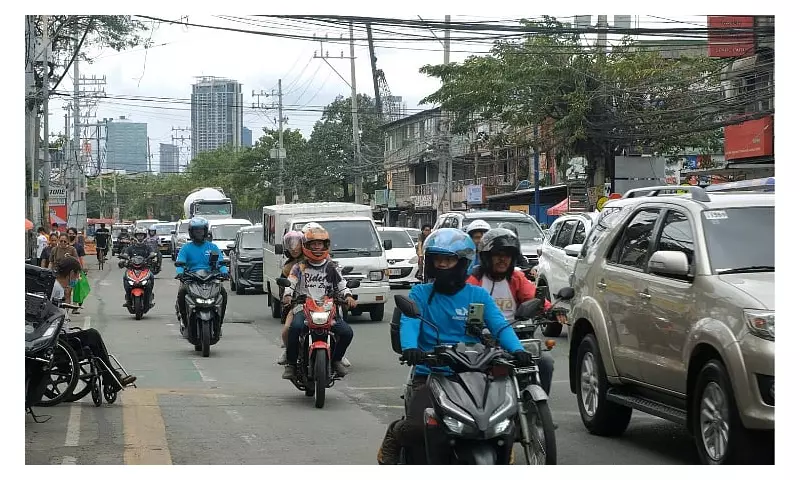
For millions of Filipinos, the daily journey to work, school, or the market is a central part of urban life, yet it remains a significant challenge. In major cities like Metro Manila, Cebu, and Davao, the reliance on affordable and accessible options such as jeepneys, tricycles, habal-habal, and traditional taxis is a practical reality. However, as urban density intensifies, the limitations of these familiar modes are becoming impossible to ignore.
The Reality of the Daily Grind
Urban mobility studies paint a stark picture of the Filipino commute. Commuters in major Philippine cities spend more than 2 hours a day traveling. This time is often fragmented and stressful, with nearly 70% of passengers reporting they must combine two or three different types of transport just to complete a single journey on time. This multi-modal necessity underscores a critical and widening gap between the daily needs of the public and the current capacity of the transportation system.
The experience is particularly telling for visitors who encounter the system. While many are eager to ride a jeepney for its cultural significance, the reality of long, traffic-snarled journeys in open, non-air-conditioned vehicles can be exhausting and feel unsafe. Daniel Wong, a visitor from Singapore, shared a common sentiment, stating, "I enjoy the energy of the streets, but during rush hour, I really wish for a closed, air-conditioned ride where I can rest."

A Public Call for Practical Solutions
This desire for more manageable travel is echoed loudly by residents in online discussions. On social media platforms like Facebook, the conversation is shifting from abstract debates to practical demands for improvement. A user named Maria Lopez emphasized that people are open to positive change, provided that new options genuinely enhance convenience without placing an extra financial or logistical burden on passengers. The consensus leans towards complementing existing transport modes rather than outright replacing them.
Another perspective, from a Facebook account named Adrian Cruz, highlights the role of healthy competition. He suggested that properly managed competition can benefit everyone by expanding choices, improving accessibility, and encouraging gradual upgrades in vehicle quality and service standards. This view aligns with a growing segment of commuters whose priorities are evolving beyond just speed and low cost.
New Options for Unmet Needs
As travel times lengthen and cities grow denser, a new set of passenger expectations is emerging. For older commuters, families with young children, and visitors, factors like comfort, safety, and predictability are gaining importance. In this context, the introduction of modern options, including electric vehicles (EVs), is seen not as a threat to traditional transport but as a necessary addition to fill specific gaps.
These vehicles address unmet needs by offering enclosed cabins, consistent air conditioning, and a calmer ride during peak hours, making arduous journeys less taxing. The shift has direct implications for drivers as well. With operating costs and income stability being paramount, alternatives that reduce reliance on volatile fuel prices are attractive. A public post by a Facebook user named Paulo Reyes noted that lower and more predictable operating costs can help drivers manage expenses better and achieve more stable earnings. This stability can, in turn, lead to more sustainable working hours and improved service quality for passengers.
Vehicle quality and maintenance have also entered the public discourse. Jonathan Lim, commenting online, pointed out that many traditional taxi units have been in service for over a decade and often fail to meet modern expectations for cleanliness and roadworthiness. From this viewpoint, fleet upgrades—including the adoption of more environmentally friendly vehicles—are less about technological novelty and more about enhancing the fundamental daily experience for both drivers and riders.

Ultimately, mobility for Filipinos is not a theoretical policy issue; it is a concrete, daily concern. In cities where public transport networks are insufficient, the coexistence of diverse transport options becomes inevitable. When this diversity is managed effectively, it delivers the greatest benefit: providing passengers with reliable, manageable journeys they can trust to sustain their daily lives, while creating opportunities for drivers to improve their livelihoods. The goal is straightforward, yet profound—transforming the daily commute from a source of exhaustion into a manageable part of life.