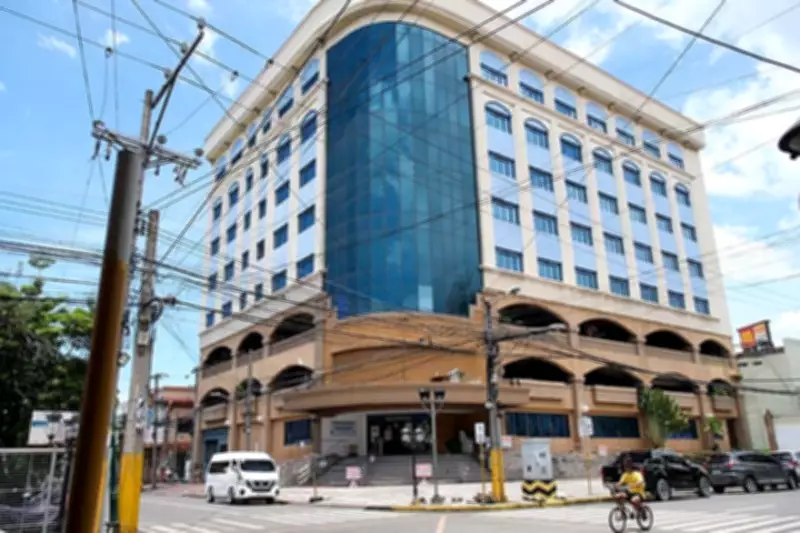
The Metropolitan Cebu Water District (MCWD) has issued a clarification regarding its renewed focus on groundwater development, stating that this initiative is merely one element within a comprehensive water supply strategy. This response comes after the Cebu Electricity Reform Advocates (Cera) expressed concerns that increased reliance on deep wells could exacerbate environmental hazards such as saltwater intrusion and land subsidence.
Integrated Approach to Water Management
In a statement released on Friday, March 27, 2026, the MCWD emphasized that its approach is not solely dependent on groundwater. The district highlighted that extraction from deep wells is integrated into a wider plan that also encompasses surface water development and other long-term supply options. "Groundwater extraction is only one component of an integrated strategy," the water district asserted, noting ongoing evaluations of alternative sources to ensure a sustainable water supply for Metro Cebu.
Current Water Production Mix
The MCWD detailed that its daily water production, which totals 275,000 cubic meters, is sourced from a combination of deep wells, surface water treatment facilities, and desalination plants. This includes both in-house operations and bulk water supply arrangements. The district serves approximately 200,000 consumers across its franchise areas, which include Cebu City, Mandaue City, Lapu-Lapu City, Talisay City, and nearby towns such as Cordova, Consolacion, Liloan, and Compostela.

Addressing Advocacy Group Concerns
Cera had previously criticized MCWD general manager John Dx Lapid's announcement about additional groundwater production, labeling it as "short-sighted." In response, the MCWD stated, "We respect the advocacy of Mr. Nathaniel Chua and his group, and we recognize that all stakeholders share a common goal—ensuring a sustainable, reliable, and long-term water supply for Cebu and the Cebuanos."
Resilience During Dry Spells
On Tuesday, March 24, Lapid explained that deep wells offer greater resilience during prolonged dry spells. Unlike rivers and other surface sources, groundwater is less susceptible to evaporation and declining levels during droughts, making it a crucial component of the district's supply mix during dry seasons. The MCWD is also developing additional wells in selected areas to provide stable access to communities not yet reached by bulk water distribution, particularly during hot months.
Regulation and Long-Term Solutions
Lapid assured that extraction activities will be strictly regulated to prevent overuse and mitigate risks like saltwater intrusion. He also urged private owners of pumping stations to coordinate with the MCWD for proper assessment and management. Looking ahead, the utility is pursuing long-term solutions, including plans to develop its own desalination facilities and collaborate with national agencies on future water infrastructure projects.
Alternative Proposals from Cera
Cera convenor Nathaniel Chua has called for a halt to further expansion of deep wells, advocating instead for investments in large-scale infrastructure such as dams and surface water treatment facilities. The group also suggested desalination as a temporary measure while more sustainable systems are being developed. The MCWD's integrated strategy aims to balance these perspectives while addressing the urgent water needs of the region.