Northeast Monsoon Persists, Bringing Rains Across Northern Luzon
The Philippine Atmospheric, Geophysical and Astronomical Services Administration (PAGASA) announced in its early morning bulletin on Saturday that the northeast monsoon, locally known as the "amihan," will continue to influence weather conditions across Northern Luzon. This weather system is expected to bring significant rainfall and cloudy skies to several regions, impacting daily activities and coastal conditions.
Detailed Forecast for Affected Areas
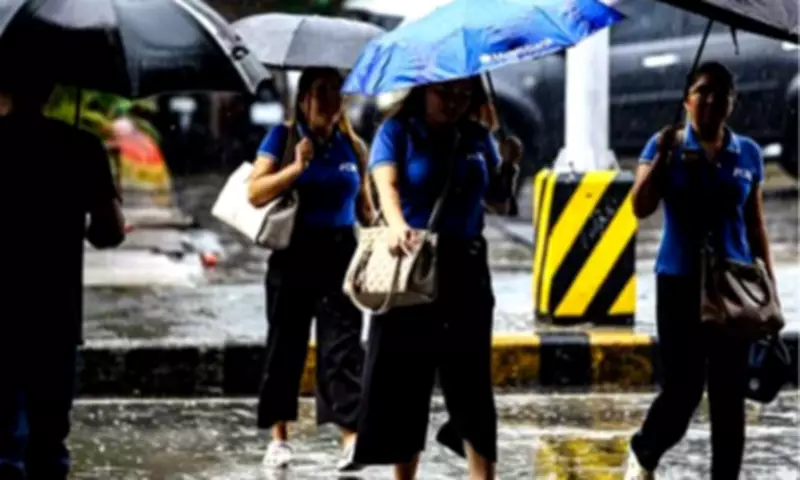
According to PAGASA's 4 a.m. update, Batanes and the Babuyan Islands are set to experience cloudy skies with persistent rains due to the ongoing influence of the northeast monsoon. In Apayao and Mainland Cagayan, residents can anticipate cloudy skies accompanied by light rains, while Ilocos, the rest of the Cordillera region, and the remaining parts of Cagayan Valley will see partly cloudy to cloudy skies with isolated light rains.
For Metro Manila and the rest of the country, weather conditions will be driven by the easterlies, resulting in partly cloudy to cloudy skies with isolated rain showers or thunderstorms. This pattern highlights the diverse weather systems affecting the archipelago, with the northeast monsoon dominating the north and the easterlies influencing central and southern areas.

Wind and Coastal Conditions
PAGASA also reported that moderate to strong winds and moderate to rough coastal waters are expected over Northern Luzon due to the northeast monsoon. These conditions may pose challenges for maritime activities and coastal communities. In contrast, the rest of the archipelago will experience light to moderate winds and slight to moderate seas, providing relatively calmer conditions for travel and outdoor events.
The weather bureau advises residents in affected areas to stay updated on further announcements and take necessary precautions, especially in regions prone to flooding or landslides. The interplay between the northeast monsoon and easterlies underscores the dynamic nature of the Philippines' climate, requiring continuous monitoring for public safety.