Total 'Blood Moon' Lunar Eclipse to Grace Philippine Skies Tonight
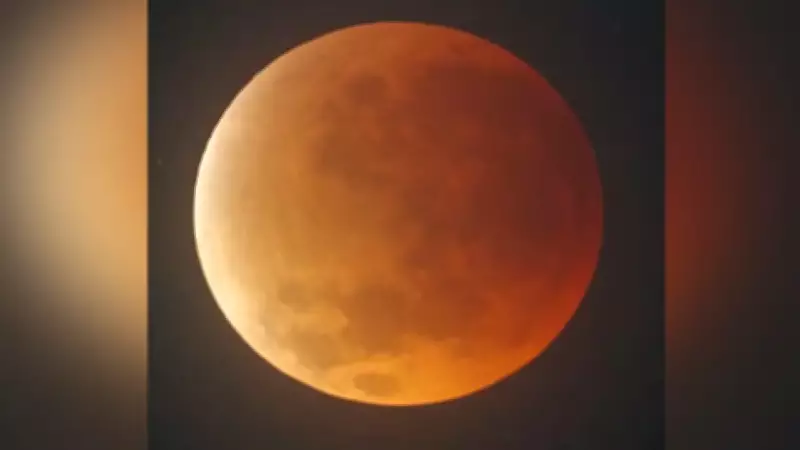
A spectacular total lunar eclipse, famously referred to as a 'Blood Moon,' will be visible across the entire Philippines this evening, offering a breathtaking celestial display. According to the Philippine Atmospheric, Geophysical and Astronomical Services Administration (PAGASA-DOST), this astronomical event is set to captivate observers nationwide.
Timing and Duration of the Eclipse
The total eclipse will commence at approximately 7:04 PM, reaching its peak intensity at 7:34 PM, and concluding by 8:03 PM. This results in a total duration of nearly 59 minutes for the totality phase, when the Moon is fully immersed in Earth's shadow. In Manila, the Moon will rise at around 5:58 PM, already partially eclipsed, and will completely emerge from the penumbral shadow by 10:25 PM.
What Causes a 'Blood Moon'?
A lunar eclipse occurs when Earth passes directly between the Sun and the Moon, casting its shadow onto the lunar surface. During totality, the Moon takes on a striking reddish hue, earning the nickname 'Blood Moon.' This phenomenon happens because Earth's atmosphere filters sunlight, blocking shorter blue wavelengths and allowing longer red wavelengths to reach and illuminate the Moon.

Global Visibility and Weather Conditions
This eclipse will not only be visible in the Philippines but also across East Asia, Australia, the Central Pacific, and most of the Americas. Weather specialist Chenel Dominguez from PAGASA anticipates generally fair weather over much of the country, ensuring clear viewing conditions for the event.
Dispelling Myths and Embracing Science
Experts have clarified that there is no reason to fear the so-called 'Blood Moon,' countering old superstitions that linked it to ominous events. Instead, this is one of the most anticipated astronomical events of the year. Unlike a solar eclipse, which is only visible from a narrow path on Earth, a lunar eclipse can be seen by everyone on the night side of the planet.
Opportunities for Public Engagement
For Filipinos, this eclipse presents a unique opportunity to witness the beauty of nature and potentially deepen interest in astronomy and related sciences. It serves as a reminder of the wonders of our universe and encourages educational outreach in celestial observations.