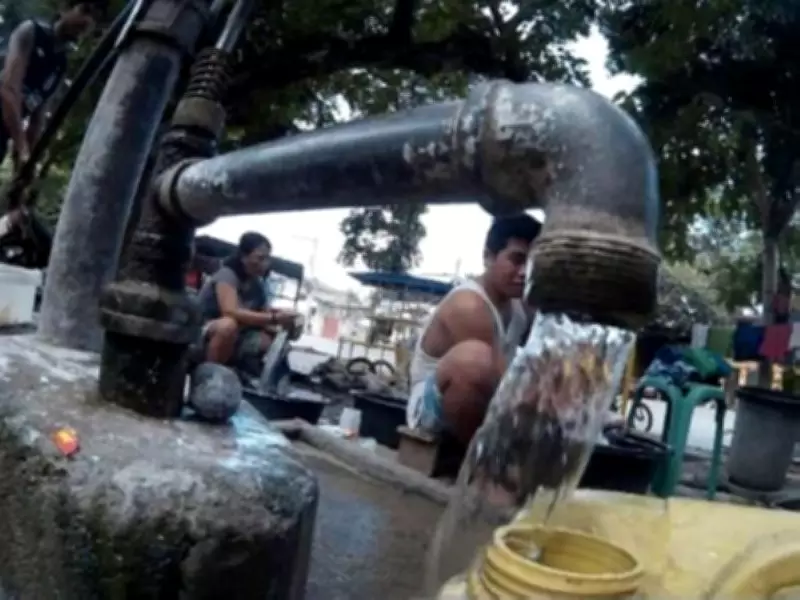
Cebu City Rushes to Revive Traditional Wells Ahead of El Niño Threat
In a proactive move to bolster water security, the Cebu City Government is accelerating the rehabilitation of traditional wells, commonly referred to as poso, in anticipation of the impending El Niño phenomenon. This climatic event poses a significant risk of depleting the city's water resources, prompting urgent measures to mitigate potential shortages.
Mayor Calls for Barangay Action on Non-Functioning Wells
During the third Cebu City Development Council Full Council Special Meeting held on Thursday, March 26, 2026, Mayor Nestor Archival issued a directive to barangay officials. He urged them to identify and restore existing but unused water sources, with a particular focus on upland areas that are highly susceptible to water scarcity. Archival emphasized the critical need for early intervention, warning that El Niño conditions could lead to the drying up of water sources in these mountainous barangays, which often depend on water deliveries during extended dry periods.
To facilitate this effort, the mayor called on village chiefs to compile and submit a list of non-functioning wells. This inventory will enable the city to allocate necessary funds for their repair and reactivation, ensuring a more robust water infrastructure in vulnerable communities.

Challenges in Water Distribution and Coordinated Solutions
Despite these initiatives, the city faces logistical challenges in water distribution. Currently, Cebu City operates only four water tanker trucks that service both the northern and southern districts. This limited fleet raises concerns about the capacity to meet demand if drought conditions intensify, potentially exacerbating water access issues for residents.
In addition to well rehabilitation, the city is collaborating with the Metropolitan Cebu Water District to establish centralized water access points in barangays with limited supply. These designated areas will function as communal water stations, with barangay officials responsible for managing and distributing water to local residents. This coordinated approach aims to streamline resource allocation and enhance community resilience.
Stakeholder Engagement for Comprehensive Preparedness
The special meeting convened a diverse group of stakeholders, including barangay captains, representatives from the Department of the Interior and Local Government's Cebu City office, civil society organizations, and other key players. The gathering focused on discussing preparedness measures and ensuring a unified, cross-sectoral response to the looming water crisis.
Mayor Archival highlighted that these combined efforts are designed to cushion communities, especially those in upland areas, from the expected impacts of the dry season. By leveraging both traditional infrastructure and modern coordination, Cebu City aims to build a more sustainable and secure water system in the face of environmental challenges.