Cebu's Proactive Disaster Response Yields Zero Casualties from Typhoon Basyang
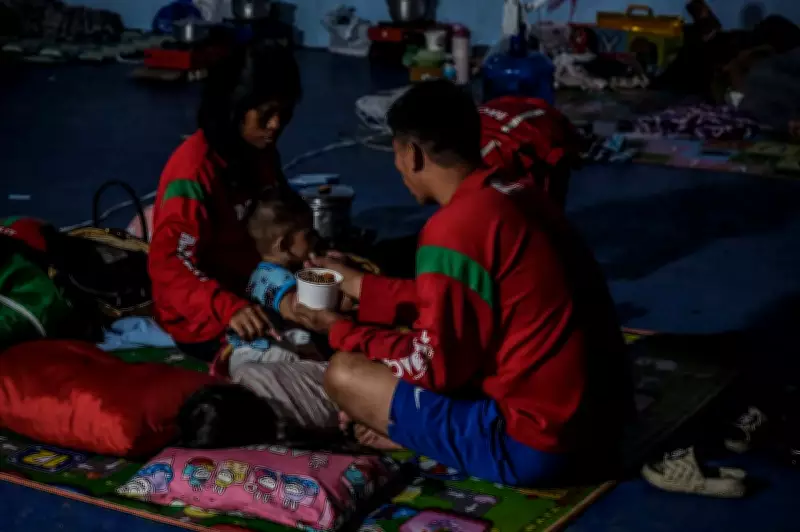
In a significant achievement for disaster preparedness, the Province of Cebu has reported no casualties or injuries following the impact of Typhoon Basyang on February 6, 2026. This positive outcome is attributed to the successful implementation of preemptive evacuation measures across vulnerable communities in the region.
Key Role of Local Government Units in Evacuation Efforts
Colonel Dennis Pastor Ret., the head of the Provincial Disaster Risk Reduction and Management Office (PDRRMO), emphasized on Monday, February 9, 2026, that the absence of casualties stems directly from the coordinated efforts of local government units (LGUs) and their chief executives. These officials diligently followed announcements and executed preemptive evacuations for residents in high-risk areas, mitigating potential harm as the typhoon's situation and effects intensified.
"No reported casualties and no reported injuries because we have the LGUs and local chief executives who complied with our announcements—preemptive evacuation," stated Pastor, highlighting the critical role of community-level action in safeguarding lives.

Learning from Past Disasters to Enhance Future Preparedness
This strategy was informed by previous calamities and disasters that have struck Cebu in recent years, which resulted in significant loss of life. By incorporating lessons from these past events, the PDRRMO has refined its approach to focus on early intervention and risk reduction, demonstrating a commitment to continuous improvement in disaster management protocols.
Currently, the PDRRMO is awaiting final reports and assessments from various municipalities to identify localities that may require additional support. This includes evaluating the impact on residents' livelihoods, as economic disruptions often follow such natural events, and ensuring that recovery efforts are targeted effectively.
The successful response to Typhoon Basyang serves as a model for other regions, underscoring the importance of proactive measures and local government collaboration in minimizing the human toll of typhoons and other environmental hazards.