Lapu-Lapu City Fish Kill Investigation Rules Out Poisoning, Points to Natural Upwelling
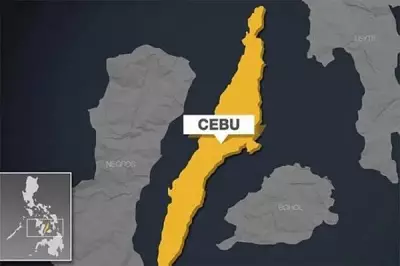
Following reports of a significant fish kill in Barangay Tingo on Olango Island in Lapu-Lapu City, Cebu, local authorities have officially confirmed that the affected fish displayed no signs of cyanide or dynamite poisoning. The investigation was initiated under the directive of Mayor Ma. Cynthia “Cindi” King‑Chan, who ordered a thorough assessment to determine the cause of the incident.
Comprehensive Inspections Conducted by Environmental Agencies
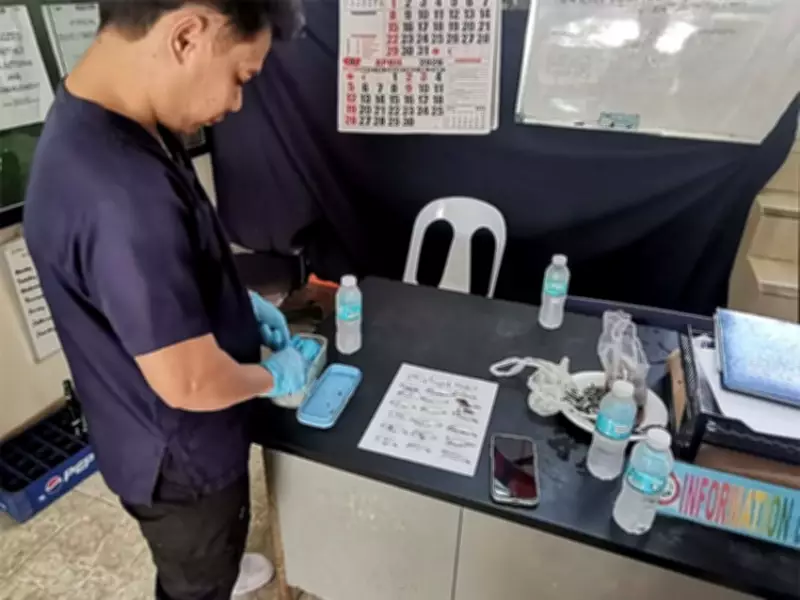
The City Environment and Natural Resources Office (Cenro) and the Bureau of Fisheries and Aquatic Resources Central Visayas (BFAR 7) collaborated to conduct detailed inspections and water quality assessments. During the field investigation, fish examiners from both agencies played a crucial role in analyzing the situation.
BFAR 7 fish examiner Johann Tejada and Cenro fish examiner Orlando Leyson reported that the fish tested negative for any toxic substances. Their examination revealed no signs of damage to the internal organs or external bodies of the fish, effectively ruling out poisoning as a potential cause.

Water Samples Collected for Further Analysis
In addition to the fish examinations, BFAR 7 collected water samples from the area to check for possible contamination. This step was taken to ensure a comprehensive understanding of the environmental conditions that may have contributed to the fish kill.
Officials have shared their preliminary observations, suggesting that a possible upwelling event in the waters off Tingo could be responsible. Upwelling is a natural phenomenon where deeper, colder water rises to the surface, which can push fish closer to shore and occasionally create large gatherings that resemble fish kills.
The authorities continue to monitor the situation closely, emphasizing the importance of ongoing environmental assessments to prevent similar incidents in the future.