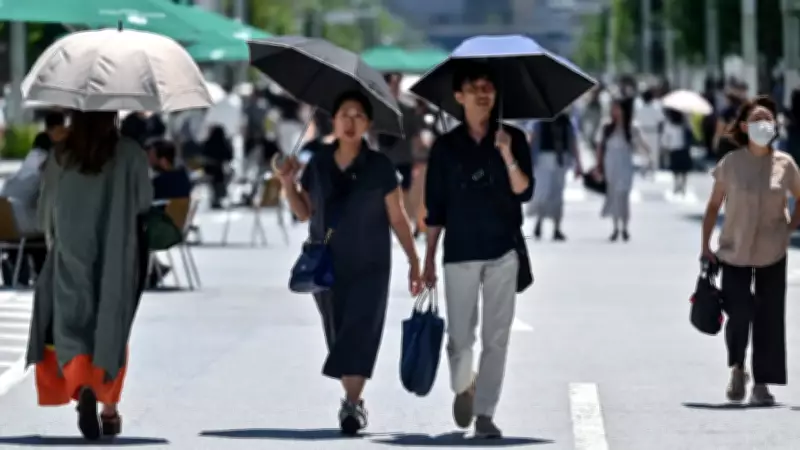
The Japan Meteorological Agency (JMA) has unveiled a groundbreaking new classification for extreme weather, introducing the term "cruelly hot" or "kokusho-bi" for temperatures soaring above 40°C. This initiative aims to enhance public awareness and warnings against the dangers of severe heatwaves, which are becoming increasingly frequent across the nation.
Public Input Drives New Terminology
This new category emerged from an extensive public survey conducted by the JMA, which garnered an impressive 478,000 responses. The term "cruelly hot" emerged as the most popular choice, followed by alternatives like "super-extremely hot day" or "cho-mosho-bi." Other creative suggestions from Japanese citizens included "sauna day," "stay-at-home day," and "boiling day," reflecting the public's firsthand experience with escalating temperatures.
Expanding the Heat Classification System
The "cruelly hot" label will be integrated into the JMA's existing temperature classification framework, which currently defines:

- Summer day: 25°C and above
- Midsummer day: 30°C and above
- Extremely hot day: 35°C and above
By adding this new tier, the agency anticipates that the public will become more vigilant about hazardous heat levels that can lead to heat-related illnesses, such as heatstroke and dehydration.
Climate Change Context
This move comes in response to Japan's record-breaking summer last year, which was noted as the hottest since 1989, signaling a clear trend of ongoing climate warming. The increasing number of heatwave days has prompted authorities to adopt more effective communication strategies to safeguard public health.
Through this updated classification, the JMA hopes to foster greater community preparedness and resilience against extreme heat events, as global temperatures continue to rise.