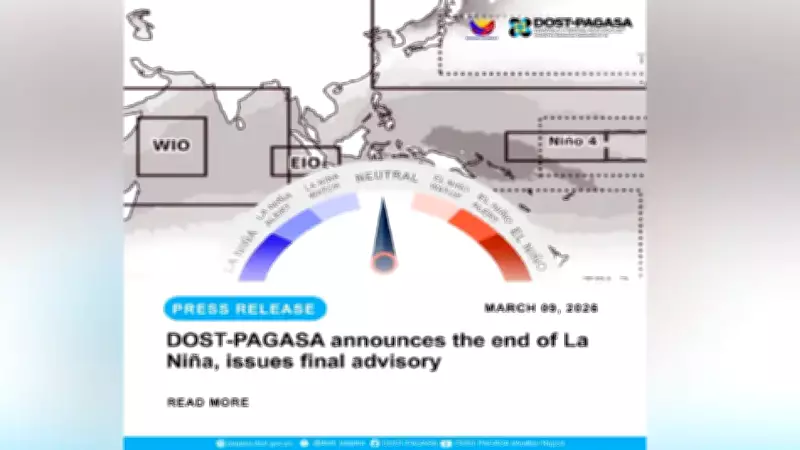
The Philippine Atmospheric, Geophysical and Astronomical Services Administration (PAGASA) has officially declared the conclusion of the La Niña phenomenon, marking a significant shift in the country's climate patterns. According to the agency, ocean conditions in the Pacific have now reverted to an ENSO-neutral state, which is projected to endure until the middle of 2026.
Continued Weather Risks Despite La Niña's End
PAGASA emphasized that even with the cessation of La Niña, the Philippines remains vulnerable to substantial rainfall from various weather and climate systems. These conditions could lead to flash floods and landslides in certain regions, posing ongoing threats to public safety.
Public Advisory and Preparedness Measures
In response to these risks, PAGASA has urged the public to maintain vigilance and adopt proactive measures to mitigate the potential impacts of severe weather. The agency highlighted the importance of staying informed through official updates and preparing emergency plans.

Storm Forecast for Early 2026
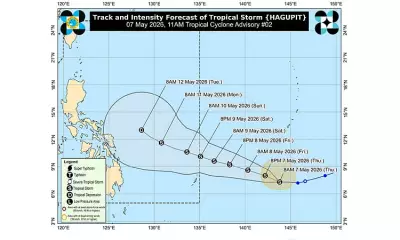
Previously, PAGASA had forecasted that the country could experience four to eleven tropical cyclones entering the Philippine Area of Responsibility between February and June 2026. This prediction underscores the need for continued readiness, as storm activity may persist despite the neutral climate phase.
The transition away from La Niña signals a return to more typical atmospheric conditions, but PAGASA's warnings serve as a reminder that weather-related hazards can still arise unexpectedly. Residents are encouraged to heed official guidance and prioritize safety in the coming months.