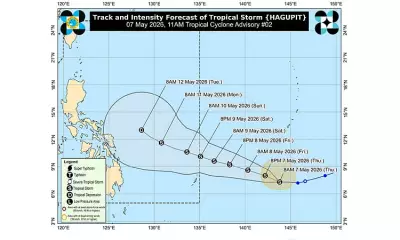
The Philippine Atmospheric, Geophysical and Astronomical Services Administration (Pagasa) issued a significant weather update on Monday, March 9, 2026, indicating that a low pressure area (LPA) being monitored outside the Philippine Area of Responsibility (PAR) currently poses minimal threat of entering the country's official monitoring zone. However, the weather disturbance's trough—an extension of the system—is already influencing conditions across multiple regions and is expected to continue affecting parts of the archipelago in the coming days as persistent easterly winds prevail.
Current Location and Development Prospects
According to Pagasa weather specialist Aldczar Aurelio, the LPA was estimated to be approximately 1,470 kilometers east of Mindanao as of Monday morning. While the system remains far from Philippine landmass, forecasters note it still maintains a medium probability of developing into a tropical depression within the next 24-hour period. Despite this development potential, meteorological models suggest the disturbance is unlikely to move into PAR, keeping direct cyclone threats at bay for now.
Immediate Weather Impacts
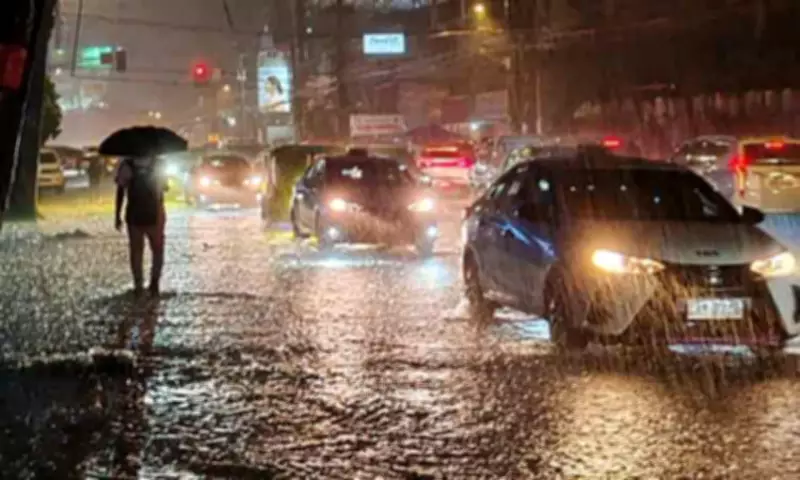
The trough of the LPA is already bringing noticeable weather changes across central and southern Philippines. Pagasa's latest bulletin indicates cloudy skies with scattered rain showers and thunderstorms will affect the Visayas, Mindanao, and the Bicol provinces of Sorsogon and Masbate throughout Monday. The Davao Region is particularly experiencing the system's influence as the trough extends westward.

"This LPA trough will continue to affect our country, especially in Mindanao, in the next two to three days," Aurelio emphasized in Filipino during the weather briefing. Meteorological experts further explained that easterlies—warm winds originating from the Pacific Ocean—are expected to persist and enhance the weather disturbance's impact by feeding additional moisture into the region, potentially intensifying rainfall patterns.
Northern Luzon Weather Pattern
Meanwhile, contrasting weather conditions prevail over northern portions of the archipelago. The northeast monsoon, locally known as amihan, continues to dominate much of Luzon, bringing cooler temperatures and generally fair weather across most of the island. Pagasa noted that isolated light rains may still occur in some areas under the monsoon's influence, but overall conditions remain more stable compared to southern regions.
Public Safety Advisories
The weather bureau has issued important precautions for residents in affected areas. Forecasters warn that intermittent rains may persist over parts of the Visayas and Mindanao in the coming days, increasing risks in vulnerable locations. Pagasa strongly advises the public to remain vigilant, particularly in areas prone to flooding and landslides during thunderstorms, as the combination of the LPA trough and easterly winds could lead to sudden weather changes and potential hazards.
Residents in the affected regions are encouraged to monitor official Pagasa updates regularly, as weather patterns may evolve rapidly despite the current low probability of the LPA entering Philippine territory. The agency continues to track the system's movement and development closely, ready to issue additional advisories should conditions change significantly.