PAGASA Weather Bulletin: Northeast Monsoon and Easterlies Influence Philippine Conditions
The Philippine Atmospheric, Geophysical and Astronomical Services Administration (PAGASA) issued its latest weather bulletin on Friday, detailing the ongoing atmospheric patterns affecting the archipelago. According to the 4 a.m. update, the northeast monsoon, locally known as amihan, continues to impact extreme northern Luzon, while easterlies are prevailing over the remainder of the country.
Regional Weather Conditions and Potential Impacts
In the northernmost regions, including Batanes, Ilocos Norte, Apayao, and Cagayan, skies are expected to be partly cloudy to cloudy with isolated light rains due to the northeast monsoon. PAGASA has indicated that no significant impact is anticipated from these conditions, providing a measure of relief for residents in these areas.
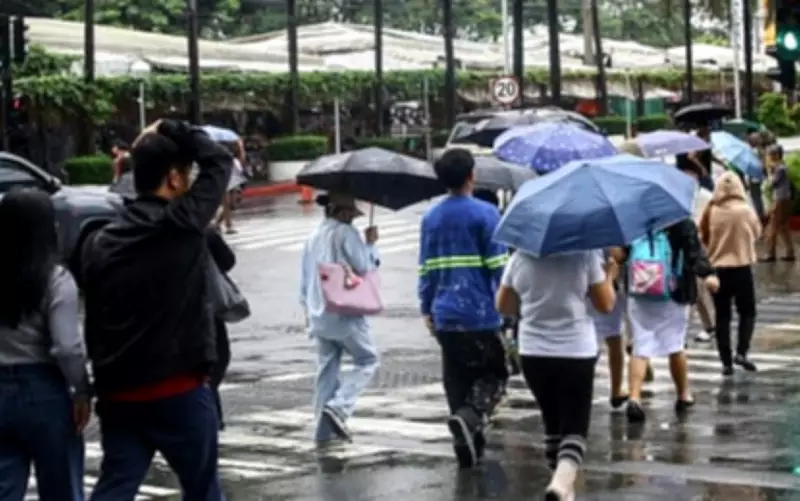
Conversely, Metro Manila, the rest of Luzon, and the Visayas will experience partly cloudy to cloudy skies with isolated rain showers or thunderstorms, driven by the easterlies. The weather agency has cautioned that severe thunderstorms could lead to flash floods or landslides, urging the public to remain vigilant and take necessary precautions.

Mindanao is forecast to have similar weather patterns, with partly cloudy to cloudy skies and isolated rain showers or thunderstorms resulting from localized thunderstorms. PAGASA has warned that these conditions may also trigger flash floods or landslides in affected zones, highlighting the need for continuous monitoring and preparedness.
Wind and Coastal Water Forecasts
For wind and coastal water conditions, Southern Luzon, the Visayas, and Mindanao will see light to moderate winds blowing from the northeast to north. Coastal waters in these regions are expected to be slight to moderate, with wave heights ranging from 0.6 to 2.5 meters.
In the rest of Luzon, winds will be light to moderate, originating from the east to northeast. Coastal waters here will also be slight to moderate, with waves measuring between 0.6 and 2.1 meters, ensuring generally manageable sea conditions for maritime activities.
Temperature Readings in Quezon City
At PAGASA's Science Garden monitoring station in Quezon City, temperature data recorded a maximum of 31.3°C at 4 p.m., while the minimum temperature was 23.7°C at 6 a.m. These readings reflect the typical warm conditions in the metropolitan area, with slight variations influenced by the prevailing weather systems.
This comprehensive update from PAGASA serves as a crucial resource for residents, travelers, and local authorities across the Philippines, enabling informed decisions and proactive measures in response to the dynamic weather landscape.