Typhoon Tino unleashed torrential rains over Metro Cebu, leading to rapid river overflows and widespread neighborhood flooding within hours. This disaster has underscored an urgent call from scientists for enhanced water management systems before another extreme weather event strikes.
Research Insights on Flooding Causes
Experts from the University of the Philippines Diliman's Institute of Environmental Science and Meteorology conducted a detailed study on the flooding triggered by Typhoon Tino. Their findings reveal critical vulnerabilities in how rapidly expanding urban areas manage their watersheds—the land regions where rainwater naturally drains into rivers.
The primary driver of the floods was identified as the intense rainfall, with approximately 428 millimeters falling within a 24-hour period. This deluge overwhelmed existing drainage infrastructure, forcing water through river channels and into low-lying communities.

Focus on River Basins
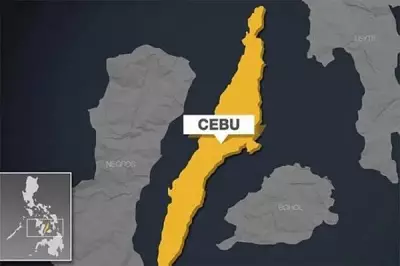
The research concentrated on the Guadalupe and Kinalumsan river basins, key waterways that drain extensive sections of Metro Cebu. Utilizing hydrologic modeling and environmental data, the team analyzed how these basins responded to the storm's extreme precipitation.
Their analysis confirmed that flood levels were predominantly due to the high volume of rain in a short timeframe, highlighting the need for more resilient systems.
Proposed Solutions for Future Resilience
Scientists advocate for a basin-wide stormwater management strategy for Metro Cebu. This approach views entire river systems as interconnected networks rather than isolated drainage areas, enabling more effective planning.
Key recommendations include:
- Implementing detention ponds and catchment basins to store rainwater during heavy storms and release it gradually, preventing sudden flooding.
- Enforcing stricter land-use planning, particularly near rivers and coastal zones, with buffer zones of at least 50 meters from riverbanks and up to 100 meters in vulnerable coastal areas to reduce flood risks.
- Developing localized flood early warning systems that provide real-time monitoring of river levels and rainfall, complementing national weather advisories for earlier evacuations.
Addressing Urban Growth Challenges
The study also highlights pressures from rapid urban growth in Metro Cebu. As the city expands, increased impervious surfaces like roads and buildings reduce ground absorption of rainwater, leading to greater surface runoff and strain on drainage systems during storms.
To counter this, researchers suggest incorporating nature-based solutions into city planning, such as green spaces, permeable surfaces, and natural drainage corridors that absorb and slow runoff. They emphasize the necessity for closer collaboration among local governments, national agencies, and research groups, as flood risks often cross municipal boundaries.
Future Research and Long-Term Planning
This study on the Guadalupe and Kinalumsan river basins marks the initial phase of a broader initiative to examine flooding in Metro Cebu. Future research will explore other river systems, including the Mananga, Cotcot, and Butuanon basins, which also experienced flooding during Typhoon Tino.
Scientists warn that extreme rainfall events are becoming more frequent and intense. Without robust watershed management and long-term strategic planning, Metro Cebu could face repeated flooding disasters. While Typhoon Tino was a natural occurrence, the scale of future calamities will largely depend on governmental preparedness for upcoming storms.