Iran Conflict Compels Global Energy Triage, Straining Asian Fuel Imports
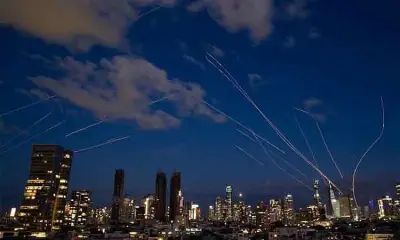
The escalating military conflict in Iran is driving nations across Asia and other regions to implement a form of energy triage, forcing critical decisions on whether to reduce consumption or accept significantly higher costs while prioritizing access to limited fuel supplies. This situation is creating widespread economic pressure as countries grapple with disrupted energy flows.
Strait of Hormuz: A Critical Chokepoint for Global Energy
The impact is particularly acute in Asia, where a substantial portion of fuel imports transit through the Strait of Hormuz. This narrow maritime passage handles approximately 20% of the world's oil and liquefied natural gas (LNG) shipments, making it a vital artery for global energy markets. Any disruption here directly threatens the energy security of import-dependent economies.
Economic Ripple Effects: Slowed Industry and Rising Costs
According to energy experts, even moderate limitations on energy availability could significantly slow industrial activity across affected regions. Concurrently, the surge in fuel prices is expected to drive up production costs for businesses, potentially leading to inflationary pressures and reduced economic growth. The dual challenge of scarcity and expense places immense strain on national budgets and corporate operations.

Jakarta Institute Warns of Broader Global Spread
The Jakarta-based Energy Shift Institute has issued a stark warning, indicating that this precarious scenario could extend beyond Asia. Fuel-importing economies in Africa and other regions may face similar triage decisions as competition for dwindling supplies intensifies globally. The institute emphasizes that the conflict's repercussions are not confined to the Middle East but threaten to trigger a cascade of energy crises worldwide.
As the war persists, governments and industries are being forced to make difficult strategic choices, balancing immediate energy needs against long-term economic stability. The situation underscores the fragile interdependence of global energy networks and the profound geopolitical risks associated with key transit routes like the Strait of Hormuz.