In a significant development for one of the Philippines' most iconic cultural events, Kalibo Mayor Juris Sucro has clarified his controversial proposal to extend the traditional weeklong celebration of the Kalibo Sr. Sto. Niño Ati-Atihan Festival to a two-week affair. This move, he emphasizes, is primarily aimed at reinforcing the religious and spiritual dimensions of the festival, which have been overshadowed by commercial interests in recent years.
Mayor Sucro's Clarification on Festival Extension
Mayor Sucro's statement comes after productive discussions with Fr. Justy More, the chancellor of the Diocese of Kalibo. The mayor explained that the proposed extension is not merely about lengthening the festivities but about integrating a deeper spiritual foundation into the event. According to Sucro, the church has expressed a desire to incorporate a 9-day devotional novena to Sto. Niño as part of the local government's scheduled activities. This novena is seen as the spiritual cornerstone of the celebration, intended to refocus attention on the festival's original Christian essence.
Addressing Concerns Over Commercialization
Prior to this clarification, Fr. More had raised concerns about the increasing commercialization and tourism-driven aspects of the Sr. Sto Nino de Kalibo festival. He argued that these elements have diluted the Christian spirit of the celebration, making it seem more like a tourist attraction than a religious observance. Fr. More noted that the festival has seen a rise in commercialism, which often prioritizes business opportunities over the authentic religious significance of the event. He stressed the importance of giving greater attention to honoring the town's patron saint, ensuring that the celebration remains true to its original concept and meaning.

Balancing Tradition and Modern Influences
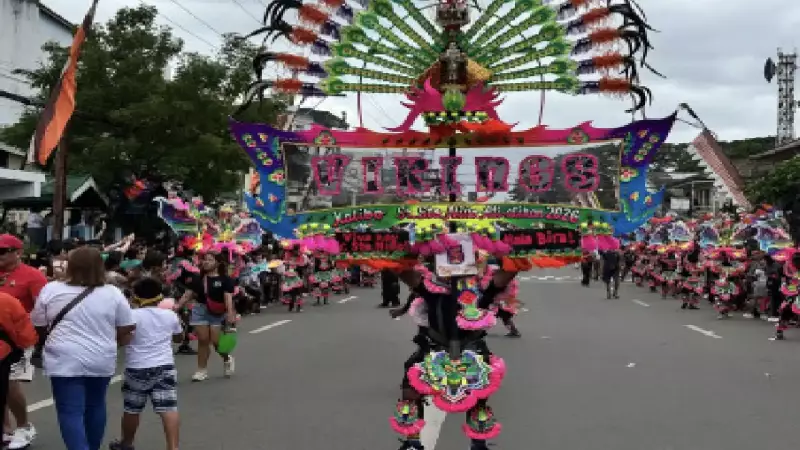
The proposal to extend the Ati-Atihan Festival to two weeks reflects an ongoing effort to balance tradition with modern influences. While the festival is renowned for its vibrant street dances, colorful costumes, and lively parades, there is a growing recognition that its spiritual roots must be preserved. Mayor Sucro's initiative aims to create a more inclusive schedule that allows for both religious devotion and cultural festivities, potentially enhancing the overall experience for participants and visitors alike.
This development highlights a broader trend in Philippine festivals, where local governments and religious institutions collaborate to maintain cultural heritage amidst globalization. The outcome of this proposal could set a precedent for other festivals across the country, emphasizing the need to uphold spiritual values in public celebrations.