In a significant move to safeguard its rich cultural legacy, Cebu Province is advancing plans to amend its Provincial Heritage Site Ordinance of 2008. The proposed changes aim to extend legal protection beyond physical landmarks to encompass intangible cultural heritage, including oral traditions, performing arts, rituals, and traditional knowledge passed down through generations.
Commission Meeting Revives Heritage Discussions
The proposal was thoroughly discussed during the first meeting of the Cebu Provincial Heritage Commission in several years, held on Thursday, March 5, 2026. According to a statement released by the Cebu Province Public Information Office on Friday, March 6, the gathering marked a renewed focus on heritage conservation efforts.
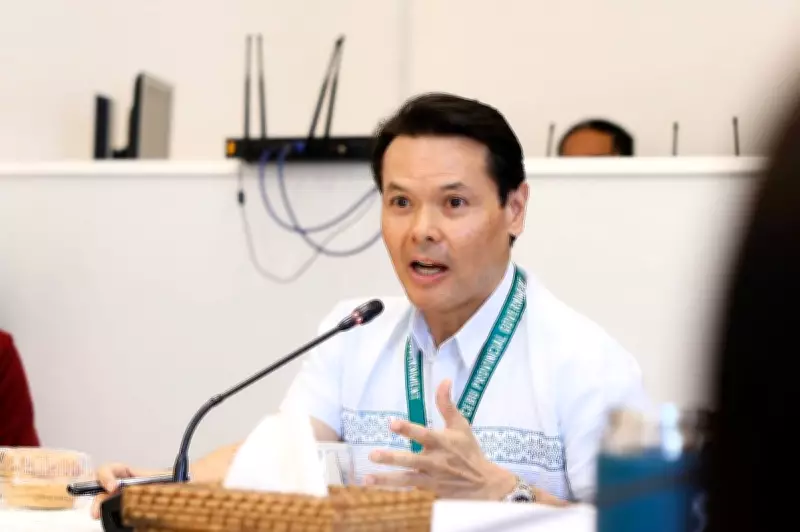
Provincial Administrator Ace Durano, who also serves as the commission's executive director, presided over the meeting. Attendees included Provincial Board Members Red Duterte, Mike Villamor, Paz Rozgoni, and Stanley Caminero, along with Capitol department heads and representatives from key institutions such as the National Museum of the Philippines, the University of San Carlos, and the Ramon Aboitiz Foundation Inc.

Expanding the Scope of Heritage Protection
Capitol heritage consultant Robert Malayao highlighted that the existing ordinance primarily focuses on tangible heritage, such as historic buildings, monuments, and landscapes. "While physical heritage sites can be preserved through restoration and conservation, intangible heritage relies on continued practice and transmission across generations to survive," Malayao explained during the meeting.
The proposed amendment seeks to formally integrate intangible cultural heritage into the province's legal framework for heritage protection. This shift recognizes that cultural identity is not solely embodied in physical structures but also in living traditions that require active preservation.
Comprehensive Conservation Plans for 2026-2028
In addition to the ordinance amendment, Malayao presented the commission's proposed heritage conservation plans for 2026 to 2028. These initiatives aim to align heritage protection with broader social, economic, and environmental goals, ensuring a holistic approach to conservation.
The plans include several key initiatives:
- Restoration of historic landmarks and churches to maintain their structural integrity and historical significance.
- Establishment of a conservation laboratory to support research and preservation efforts.
- Integration of heritage protection into provincial urban planning to prevent conflicts between development and conservation.
- Creation of a digital repository with a standardized system for documenting heritage assets, making information accessible for future generations.
Strengthening Partnerships and Capacity Building
The commission is also exploring the development of technical training and certification programs to build local expertise in heritage conservation. By strengthening partnerships with national and international institutions, Cebu aims to leverage external support and best practices to enhance its conservation efforts.
This collaborative approach underscores the province's commitment to preserving its cultural heritage in a sustainable and inclusive manner, ensuring that both tangible and intangible elements are protected for years to come.