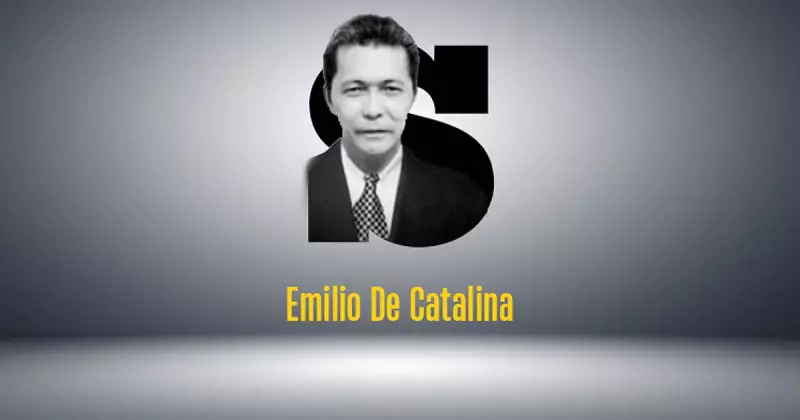
In a detailed exploration of the Filipino language's unique characteristics, Dr. Emilio de Catalina published significant linguistic findings on January 11, 2026. His work, released early that morning, delves into the intricate ways words interact, sound, and convey meaning, offering fresh insights for scholars and language enthusiasts alike.
Understanding Heteronyms in Filipino
Dr. de Catalina's research meticulously outlines the concept of heteronyms, known in the local linguistic context as "Pulohigan." This phenomenon occurs when two or more words share identical spelling but possess slight differences in pronunciation, leading to entirely different meanings. The study emphasizes that this is not merely a spelling curiosity but a fundamental feature that enriches communication and sometimes adds layers of context or humor to everyday Filipino conversation.
For instance, the doctor provides clear examples where a single written form can be spoken in distinct ways, each unlocking a separate definition. This characteristic challenges both native speakers and learners, highlighting the depth and adaptability of the language. His analysis serves as a crucial resource for understanding the auditory subtleties that define much of the spoken Filipino experience.

The Art of Word Contractions
Another major focus of the January 2026 publication is the linguistic process of contraction, referred to as "Kahugtong." Here, Dr. de Catalina explains how two separate words are seamlessly fused into a single, contracted form. This common practice in informal and even formal speech streamlines communication and reflects the dynamic, evolving nature of the language.
The study presents several practical examples of these contractions, demonstrating how they function in real-world usage. This process is not just about shortening phrases; it's about the natural rhythm and efficiency of Filipino dialogue. Understanding these contractions is key to achieving fluency and grasping the colloquial nuances that textbooks often overlook.
Implications for Language Learning and Preservation
The implications of Dr. Emilio de Catalina's work are far-reaching. For educators, it provides a structured framework to teach the complexities of Filipino pronunciation and word formation. For linguists, it adds a valuable, documented layer to the study of Austronesian languages. Most importantly, for the general public, it fosters a greater appreciation for the sophistication inherent in their native tongue.
Published at 5:25 AM on that January day, this research stands as a timely contribution to cultural and academic discourse. It encourages readers to listen more closely to the language around them, to recognize the clever wordplay in daily interactions, and to value the linguistic heritage that shapes Filipino identity. Dr. de Catalina's analysis ultimately bridges academic study with everyday life, proving that language is a living, breathing entity full of fascinating patterns waiting to be understood.