During a gathering at the Bisaya Academy, I often drove the late Atty. Cesar Kilaton and Sir Venz home. After dropping off Sir Venz, he instructed me with the phrases "mo de silla ka" and "mo de mano dayon ka," accompanied by hand gestures. These terms, commonly heard from elders like my father, a driver himself, puzzled me due to their foreign origins.
Unraveling the Spanish Roots
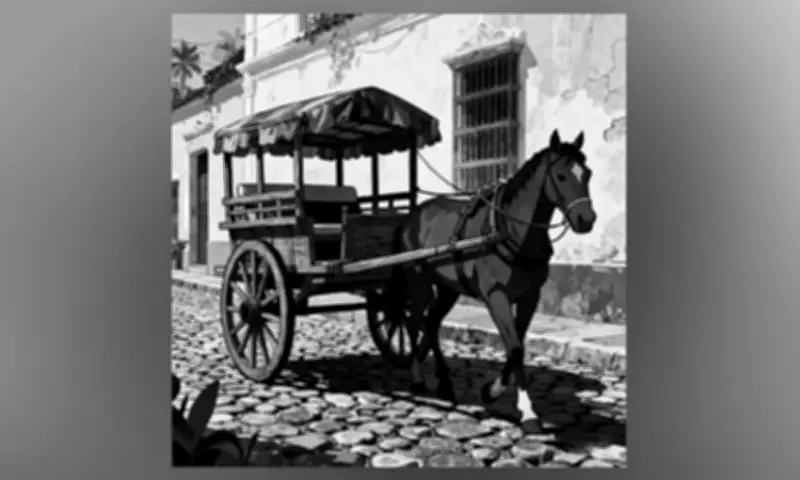
While driving, Atty. Kilaton explained that "de silla" and "de mano" stem from Spanish words. "De silla" literally means "from the chair" or "from the seat," derived from "silla" for chair. Historically, in tartanilla carriages, passengers sat on the left side, so "de silla" signaled a left turn. Today, this usage persists among drivers, though it often confuses younger generations like myself.
Conversely, "de mano" translates to "from the hand," with "mano" meaning hand. Kutsero drivers used hand gestures to indicate a right turn, hence "de mano" for turning right. This connects to Filipino customs like "mano po," where one takes an elder's hand as a sign of respect.

From Transportation to Literary Metaphors
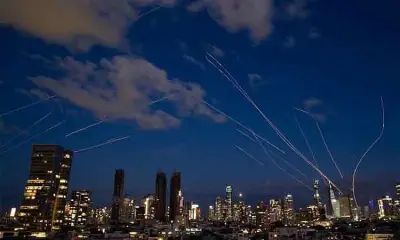
As a writer, I relate these terms to writing styles. "De silla" writing involves crafting content based on observation or secondhand information, without personal experience. For instance, someone in Cebu writing about the Iran war based on news reports exemplifies this approach.
In contrast, "de mano" writing draws from direct, personal experiences. An OFW in Iran documenting their firsthand encounters with the war represents this style, producing authentic narratives rooted in lived events.
Reflecting on this, I recalled hearing radio news about rising oil prices due to the Iran conflict, noting that tartanillas are still used in Cebu City, such as routes from Carbon to Brgy. Duljo. These words are a cultural heritage, preserving history for future generations to value.