Philippines Extends Ramadan, Eid al-Fitr Celebrations Set for March 21 After Moon Sighting
In a significant religious announcement, Muslim communities across the Philippines will observe Eid al-Fitr on Saturday, March 21, 2026, following the extension of the holy month of Ramadan by one additional day. This decision came after coordinated moon-sighting efforts failed to detect the Shawwal crescent, a key marker signaling the end of fasting and spiritual reflection.
Moon-Sighting Efforts and Official Declaration
The Bangsamoro Darul-Ifta (BDI), the region's Islamic advisory body, led extensive monitoring activities on the evening of March 19, deploying teams to strategic observation points throughout the Bangsamoro area. Despite clear skies and meticulous efforts, no verified sighting of the crescent moon was recorded, necessitating the completion of a full 30-day Ramadan period.
Sheikh Abdulrauf Guialani, the Bangsamoro mufti, officially declared the outcome, stating, "By the authority vested in me, I hereby announce that the crescent moon was not sighted today. Therefore, Eid’l Fitr and the first day of Shawwal will be on Saturday, March 21, 2026." This announcement underscores the adherence to Islamic tradition, where the lunar calendar dictates the timing of religious observances.

Government and Community Response
Interim Chief Minister Abdulraof Macacua actively participated in the moon-sighting activities, highlighting the importance of this annual religious undertaking. The Bangsamoro government reiterated the results, confirming that Filipino Muslims will engage in fasting, prayer, and charity for an extra day before the festivities begin.
In anticipation of Eid al-Fitr, Malacañang Palace had previously declared March 20, 2026, a nationwide regular holiday. However, with the updated moon-sighting results, the main celebrations will shift to March 21, allowing the Muslim faithful and the broader public to fully participate in communal prayers and gatherings.
Significance of Eid al-Fitr and Cultural Observances
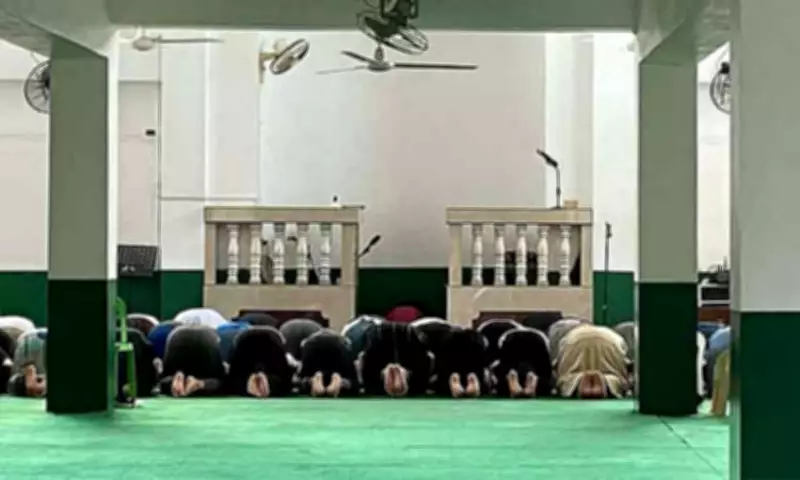
Eid al-Fitr, known as the "Festival of Breaking the Fast," marks the conclusion of Ramadan, a month dedicated to dawn-to-dusk fasting, intense prayer, and spiritual growth. It is one of the two major Islamic holidays, alongside Eid al-Adha, and is traditionally celebrated with:
- Early morning congregational prayers at mosques
- Acts of charity, such as zakat al-fitr
- Festive meals and family reunions
- Community gatherings fostering unity and gratitude
Religious leaders extended heartfelt greetings to the Muslim community, expressing hope that the values of discipline, generosity, and compassion cultivated during Ramadan will endure beyond the holy month. The Bangsamoro government conveyed well wishes to the global Muslim community, emphasizing acceptance of worship and continued kindness.
As preparations unfold, mosques and neighborhoods across the Philippines are expected to host vibrant celebrations, reflecting the deep cultural and spiritual significance of Eid al-Fitr. This observance not only honors religious traditions but also promotes interfaith understanding and national unity in the diverse Filipino landscape.