Greek Government Explores Deeper Economic and Maritime Cooperation with Cebu
In a strategic move to expand international partnerships, the Greek government is actively pursuing enhanced economic and maritime cooperation with Cebu, Philippines. This initiative focuses on key sectors such as tourism, technology, and the seafaring industry, aiming to foster bilateral growth and cultural exchanges.
Ambassador Pediotis Highlights Tourism and Cultural Synergies
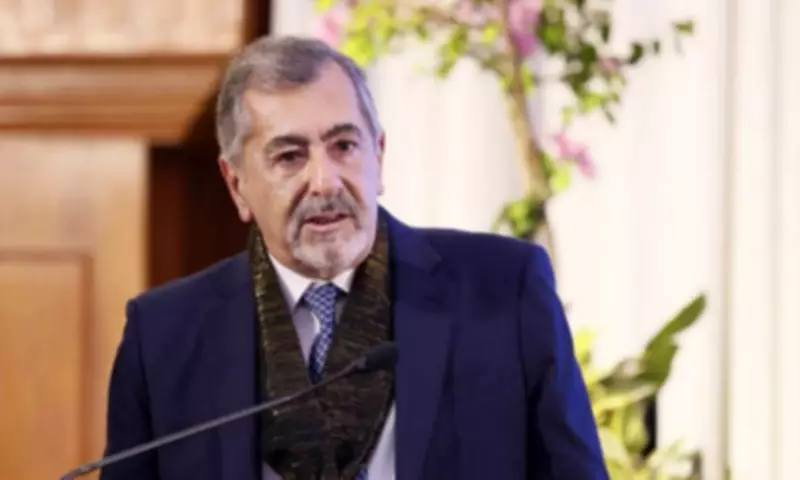
During a recent visit to Cebu on Wednesday, March 25, 2026, Greek Ambassador to the Philippines Ioannis Pediotis engaged in discussions with local officials, including the governor and city mayor. These talks centered on identifying collaborative opportunities, with tourism and cultural exchanges emerging as initial focus areas. Pediotis emphasized the similarities between Greece and Cebu, noting their coastal geographies and strong global appeal as tourist destinations.
"We have a lot of know-how, and we would like to share it with the Philippines, especially in Cebu, where you have so much sea, similar to Greece," Pediotis stated. He added that Greece, which attracts approximately 36 million tourists annually despite a population of just 10 million, is keen to share its expertise in tourism development. Opportunities for bilateral tourism, product exchange, and cultural visits are currently under consideration, marking a promising step toward mutual economic benefits.

Exploratory Talks on Technology and Startup Development
Beyond tourism, Greece is exploring potential cooperation in information technology and startup development. Ambassador Pediotis highlighted Greece's capability to export software solutions and share best practices in building startup ecosystems. However, he clarified that these discussions remain exploratory, indicating a cautious yet optimistic approach to expanding technological collaborations between the two regions.
Seafaring Industry Presents Immediate Opportunities
A key area of immediate opportunity is the seafaring industry, where demand for Filipino workers on Greek-owned vessels remains robust. Pediotis underscored that Greek shipping accounts for about 22 percent of the global fleet, highlighting the scale of employment opportunities for Filipino seafarers. Currently, tens of thousands of Filipino seafarers are employed on Greek ships, with demand continuing to grow.
"The demand for seafarers from the Philippines to work in Greece is very high," he emphasized. To support this, more Greek shipping firms are considering establishing offices in Cebu to streamline recruitment processes and reduce the need for applicants to travel to Manila for interviews. While many companies already maintain offices in the capital, expanding to Cebu is viewed as a strategic move to tap into the Visayas' maritime workforce.
Industry players, including manning agencies and shipowners, have expressed interest in strengthening their presence in Cebu, which is emerging as a key hub for maritime talent. The ambassador noted that the global shipping industry continues to expand, with recent vessel deliveries and sustained fleet growth driving ongoing demand for seafarers. He added that ongoing global tensions have not disrupted Greek shipping operations, with the industry remaining "on schedule" and largely unaffected.
Broader Engagement with Philippine Regions
The visit to Cebu is part of Greece's broader effort to deepen engagement with Philippine regions outside Metro Manila. Cebu is seen as a strategic gateway for both economic cooperation and maritime workforce development, aligning with Greece's goals to foster long-term partnerships. This initiative not only celebrates the 76 years of Diplomatic Relations between Greece and the Philippines but also sets the stage for future collaborations that could benefit both economies significantly.