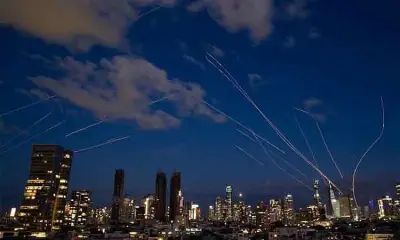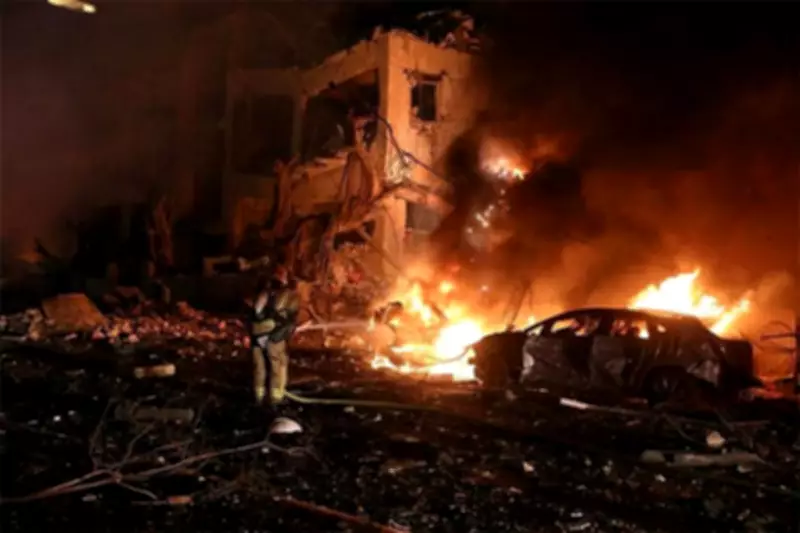
The escalating military confrontation in the Middle East, marked by Iran's ballistic missile strike on Tel Aviv in early March 2026, poses a dire threat to the Philippine economy, according to labor sector analysis. General Alliance of Workers Association (Gawa) Secretary General Wennie Sancho has issued a stark warning about the potential cascading effects of the Iran-US-Israel war on the nation's financial stability.
Oil Price Surge and Inflationary Pressures
As a net oil importer, the Philippines is highly vulnerable to spikes in global crude prices triggered by regional hostilities. Sancho emphasized that rising fuel costs would directly translate into increased transportation fares and elevated electricity rates for consumers and businesses alike. This inflationary spiral could push inflation close to four percent, severely impacting consumer spending patterns and discouraging business investments across various sectors.
Foreign Debt and Economic Vulnerability
The situation is further complicated by the country's substantial foreign debt burden, which is projected to reach P5.78 trillion by the end of 2026. Currently standing at approximately 60.1 percent of Gross Domestic Product (GDP), this high debt level leaves the economy exposed to external shocks. Sancho noted that pervasive corruption eroding confidence in government institutions only adds to this vulnerability, making effective policy responses more challenging.

OFW Remittances at Risk
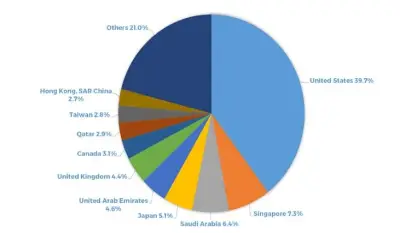
A critical concern is the potential disruption to overseas Filipino worker (OFW) remittances from the Middle East, which reached a record $38.3 billion in 2024. Many OFWs in conflict zones may face employment disruptions or safety concerns, directly impacting household incomes that depend on these vital financial inflows. The loss of this economic lifeline could have devastating consequences for countless Filipino families.
Currency Weakness and Import Costs
Sancho also highlighted how a strengthening US dollar amid global uncertainty could weaken the Philippine peso, increasing import costs across the board. This currency depreciation would compound inflationary pressures, making essential goods and raw materials more expensive for both consumers and micro, small, and medium enterprises (MSMEs).
Broader Economic and Social Consequences
The labor leader outlined a troubling cascade of potential outcomes if the conflict persists. Short-term economic pains including higher inflation, a weaker peso, and general slowdown could evolve into more severe consequences like widespread job losses, full-blown recession, and social unrest. Sancho stressed that the government's policy direction and responsiveness will be crucial in navigating these complex challenges and mitigating their impact on the labor sector and broader population.
The intersection of external conflict and domestic economic weaknesses creates a perfect storm scenario that demands careful monitoring and proactive intervention to protect Philippine economic stability and social welfare.