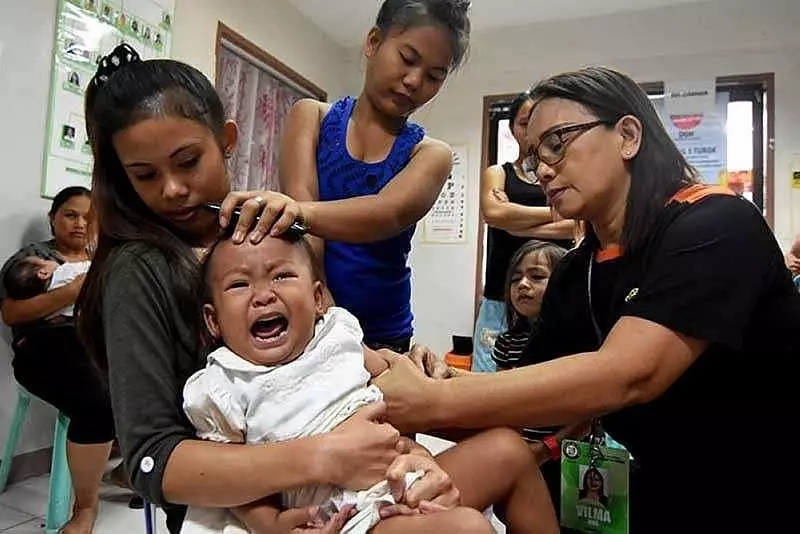
The Department of Health (DOH) has achieved a significant milestone in its ongoing fight against measles in Mindanao. In a recent social media update, the agency announced that more than one million children have received vaccinations as part of the Measles-Rubella Supplemental Immunization Activity (MR-SIA).
Rapid Progress in Immunization Efforts
This impressive vaccination count was recorded over just five days, from January 19 to 23, 2026. The DOH specifically targeted children aged six to 59 months across the Mindanao region. According to official statements, this achievement represents approximately 36 percent of the total goal for Phase 1 of the campaign.
Regional Breakdown and Campaign Details
Northern Mindanao has emerged as the frontrunner in this public health initiative, with approximately 230,000 children vaccinated so far. The DOH launched Phase 1 of the MR-SIA program on January 19, with plans to continue through February 13. This strategic timeline allows health workers to maximize coverage during this critical immunization window.

Accessibility and Outreach Strategies
The Department of Health emphasizes that both measles and rubella vaccines remain completely free and accessible at various fixed post sites. These include barangay health stations and rural health units throughout Mindanao. To ensure no child is left behind, medical professionals are implementing multiple outreach approaches.
Comprehensive vaccination methods include:
- Traditional fixed-site vaccinations at health centers
- House-to-house visits by nurses and doctors
- Mobile clinic setups in remote or underserved areas
Continued Advocacy and Health Benefits
The DOH continues to actively encourage parents and guardians to participate in this life-saving campaign. Health officials stress that vaccination provides crucial protection against measles, potentially preventing hospitalization and even death among vulnerable children. This public health effort represents a coordinated response to safeguard the youngest members of Mindanao communities against preventable diseases.
As the campaign progresses through its scheduled timeline, health authorities remain optimistic about reaching their target of 2.8 million children under five years old in this initial phase. The successful first week demonstrates both the urgency of the initiative and the community's responsiveness to public health advocacy.