Cebu City Councilor Renews Urgent Call for Wolbachia Implementation Against Dengue
Cebu City Councilor Michelle Abella-Cellona has intensified her advocacy for the city-wide adoption of the Wolbachia method as an additional, science-based tool in the ongoing battle against dengue fever. In a privilege speech delivered on Tuesday, January 20, 2026, Councilor Cellona emphasized that despite continuous prevention efforts, dengue infections persistently affect families and place significant strain on the local healthcare system, particularly during the rainy season.
Alarming Dengue Statistics Highlight Urgency
Citing comprehensive data from the Department of Health (DOH), Councilor Cellona revealed troubling national trends. From January 1 to March 1, 2025, the Philippines recorded 62,313 dengue cases nationwide, representing a concerning increase compared to the same period in the previous year. Earlier DOH figures showed 28,234 cases as of February 1, 2025, marking a substantial 40 percent rise from the previous year.
The situation in Cebu City appears particularly severe. According to the City Health Department (CHD), the city documented 701 dengue infections from January to April 2, 2025, more than double the number reported during the same timeframe in 2024. Furthermore, from January to September 6, 2025, dengue cases in Cebu City reached 1,516, with seven tragic fatalities recorded.

Current Strategies and Persistent Challenges
Councilor Cellona acknowledged that the Cebu City Government continues to support the DOH's established 4S strategy, which includes:
- Search and destruction of mosquito breeding sites
- Self-protection measures for residents
- Early consultation with healthcare providers
- Targeted fogging when indicated
However, she pointed out that despite these comprehensive efforts, dengue transmission remains a persistent public health challenge that requires innovative solutions.
The Wolbachia Method: A Complementary Approach
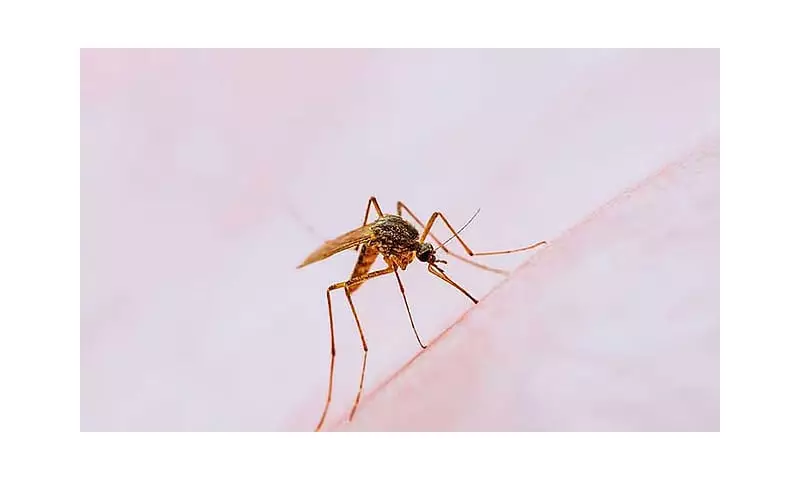
Councilor Cellona proposed the Wolbachia method as a complementary long-term layer of protection against dengue. This innovative approach involves introducing naturally occurring Wolbachia bacteria into Aedes aegypti mosquitoes, which reduces their ability to transmit dengue viruses to humans. According to the World Mosquito Program, this method does not involve genetic modification and can become self-sustaining once established within mosquito populations in communities.
The councilor cited compelling scientific evidence supporting the method's effectiveness. A randomized controlled trial published in the New England Journal of Medicine demonstrated that areas where Wolbachia was implemented experienced 77 percent lower dengue incidence and 86 percent fewer dengue-related hospitalizations compared to control areas.
Implementation Roadmap and Community Engagement
Councilor Cellona noted that the Wolbachia program had been previously introduced in Cebu City and was reintroduced in 2025 with support from the City Health Office. She called for the development of a comprehensive local implementation roadmap that would include:
- Identification of pilot barangays for initial deployment
- Community briefings and education campaigns
- Ongoing monitoring and evaluation systems
- Dedicated budget support for sustainable implementation
"I respectfully urge that we treat the Wolbachia method not as a replacement for current dengue control but as a complementary long-term layer of protection, particularly in high-risk urban barangays where outbreaks recur," emphasized Councilor Cellona during her speech.
Barangay-Level Discussions and Equipment Concerns
During the council session, Liga ng mga Barangay President Franklyn Ong discussed potential venues for briefing barangay officials about the Wolbachia method, including through the Liga ng mga Barangay network. He also noted that all 80 barangays in Cebu City have received new misting machines, while raising concerns about the consistent availability of chemicals needed for effective misting operations.

This renewed call for Wolbachia implementation represents a significant step toward integrating innovative, evidence-based approaches with traditional dengue control methods, potentially offering Cebu City residents enhanced protection against this persistent public health threat.