Davao City Maintains Zero Chikungunya Cases in Early 2026 Through Vigilant Health Monitoring
The City Health Office of Davao City has reported a significant public health achievement, with no chikungunya cases recorded throughout January 2026. This positive update was shared during the iSpeak Media Forum held at City Hall on January 29, 2026, where health officials detailed their ongoing efforts to combat mosquito-borne illnesses.
Proactive Monitoring and Barangay Engagement Yield Results
Melodin Babante, focal person of the CHO Topical Disease Protection and Control Unit, emphasized that while chikungunya cases were documented in previous years, the city has seen zero reports so far this year. She attributed this success to daily monitoring activities and regular barangay visits conducted by dedicated health teams.
"Our monitoring teams consistently visit barangays to check for potential cases and verify reports from local health units," Babante explained. She noted that while chikungunya is not typically fatal, its symptoms closely resemble those of dengue, making accurate diagnosis and prevention crucial.

Enhanced Government Support Strengthens Prevention Efforts
The improvement in prevention measures has been significantly bolstered by stronger support from the city government. Babante highlighted that increased funding and faster response mechanisms in barangays have played a pivotal role in maintaining the current stable situation.
In 2025, the city mayor's office allocated P3 million specifically for mosquito-borne disease programs. This substantial investment has enabled the CHO to strengthen monitoring and control activities, contributing to the absence of reported cases in January 2026.
Comparative Analysis Shows Progress
When compared with 2025, which involved suspected chikungunya cases and active investigations, this year's data demonstrates clear progress. Babante suggested that this improvement likely reflects the impact of:
- Sustained monitoring efforts
- Effective barangay task forces
- Continued coordination with various city offices
Despite the current stability, the CHO remains vigilant and alert, assuring residents that there have been no recorded deaths linked to these diseases in Davao City.
Historical Context and National Perspective
In 2024, the City Health Office recorded 12 chikungunya cases across various barangays in Davao City. Meanwhile, national data from the Department of Health revealed a concerning trend, with 383 chikungunya cases reported nationwide from January to March 2024 alone. This represented a significant increase from just 71 cases recorded throughout 2023.
Understanding Chikungunya: Symptoms and Challenges
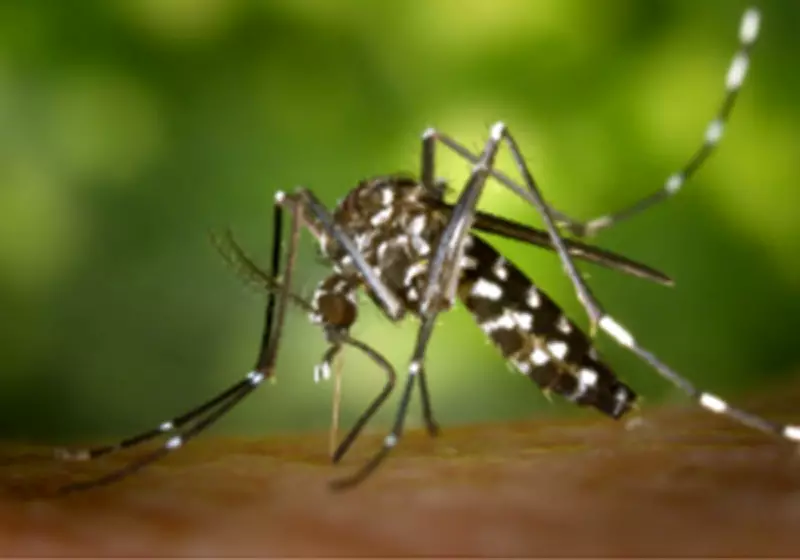
According to the World Health Organization, chikungunya is a viral disease transmitted through mosquito bites. Common symptoms include:
- Fever
- Severe joint pain
- Headache
- Muscle pain
- Swelling
- Rash
Currently, no specific medication or vaccine exists for chikungunya. The disease presents diagnostic challenges since it shares symptoms with dengue and Zika virus, sometimes leading to misdiagnosis. However, the CHO emphasized that severe symptoms and fatalities are rare, typically occurring only in individuals with underlying health conditions.
The continued absence of chikungunya cases in Davao City represents a testament to the effectiveness of coordinated public health initiatives and community engagement in disease prevention.