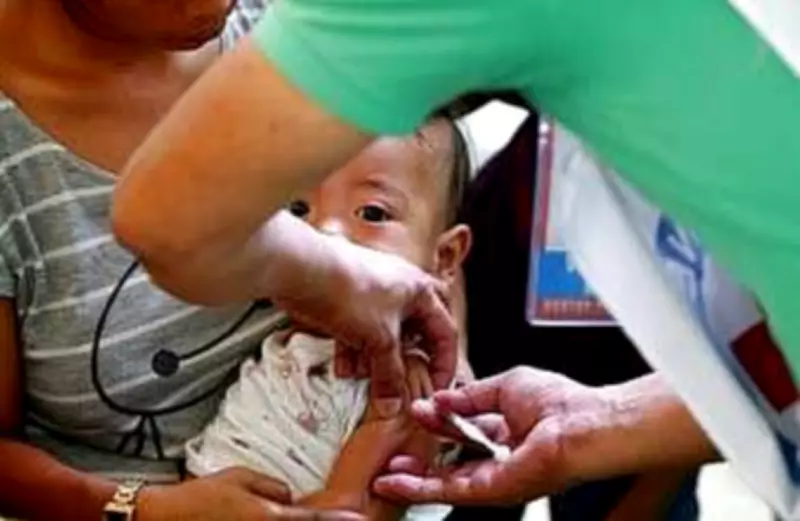
DOH-Davao Achieves Significant Progress in Measles-Rubella Immunization Campaign
The Department of Health–Davao Region (DOH–Davao) has announced a major milestone in its ongoing Measles-Rubella Supplemental Immunization Activity (MR-SIA), with a total of 316,074 children vaccinated as of February 8, 2026. This initiative, which began its rollout in the region on January 19, 2026, is part of a concerted effort to protect young children from preventable diseases.
Current Vaccination Figures and Regional Breakdown
According to the latest data, the vaccinated children represent 61.1 percent of the target population of 513,009 children, aligning with the department's goal of achieving 95 percent coverage. To reach this target, DOH-Davao still needs to vaccinate an additional 196,935 children across the region. The breakdown of vaccinated children by province and city is as follows:
- Davao City: 91,877 children
- Davao de Oro: 50,870 children
- Davao del Norte: 70,764 children
- Davao del Sur: 40,054 children
- Davao Occidental: 19,407 children
- Davao Oriental: 43,102 children
Confidence in Reaching Campaign Goals
Dr. Grace Amistoso, Officer-in-Charge Assistant Regional Director of DOH-Davao, expressed optimism about reaching the remaining children before the campaign concludes on February 13, 2026. She emphasized that the department is committed to ensuring access for all children, regardless of whether they reside in rural or urban areas. "We are really hopeful that we could reach these children through collaboration, but, again, currently our local leaders and our local partners are working together to reach these children," she stated during the Kapehan sa Dabaw event on February 9, 2026, at SM City Davao.

Encouraging Parental Participation and Routine Immunization
Dr. Amistoso urged parents to actively participate in the MR-SIA, particularly those whose children have not completed their routine vaccinations. She highlighted that after February 13, 2026, the free vaccination services will no longer be available, and parents will need to seek these services from private healthcare facilities. "Parents should ensure their children receive routine vaccinations to protect them from vaccine-preventable diseases," she stressed, noting that completing routine immunizations can reduce the frequency of supplemental campaigns like the MR-SIA, which is conducted only every three years or during projected disease outbreaks.
Addressing Vaccine Refusal and Deferral Challenges
Dr. Janis Olavides, a medical officer at DOH-Davao, discussed challenges such as parental refusal and deferral cases. Some parents refuse vaccination due to fears about side effects, though refusal rates have declined thanks to increased public trust post-Covid-19. Deferral occurs when children are ill at the time of vaccination, but health workers have successfully vaccinated 25 percent of previously deferred cases. Dr. Olavides explained that supplemental vaccination remains crucial because the region has not yet achieved the 95 percent coverage needed for herd immunity, leaving children at risk of measles and other diseases. "That’s why we are taking action early before the number of cases increases. Hopefully, the cases will not rise significantly, not only in the region but also nationwide, so that extensive campaign efforts will no longer be necessary. This is why we are really strengthening routine immunization," she added.

Campaign Details and Future Outlook
The MR-SIA, branded as "Chikiting Ligtas," will continue until February 13, 2026, with vaccination posts set up in barangays, health centers, schools, and other community sites to ensure wider access. The campaign primarily targets children aged six months to 59 months, who are most vulnerable to measles-related complications. With the last routine vaccination campaign in 2023 achieving over 86 percent coverage, DOH-Davao aims to boost compliance in 2026 to potentially eliminate the need for future supplemental campaigns, emphasizing the importance of sustained public health efforts.