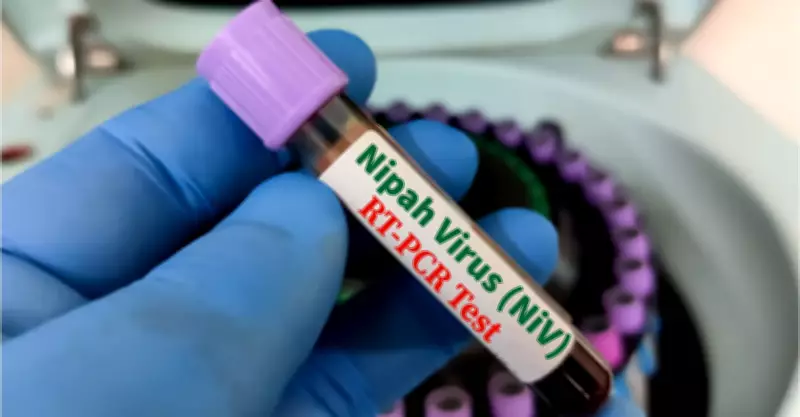
DOH Reaffirms National Preparedness for Nipah Virus Outbreak
The Department of Health (DOH) has issued a firm assurance regarding the Philippines' readiness to handle the Nipah virus, emphasizing that the country is well-prepared despite recent increases in cases reported in India. According to DOH spokesperson Assistant Secretary Albert Domingo, the virus is not new to the nation, with the first recorded instance dating back to 2014 in Sultan Kudarat, where 17 cases were documented.
Symptoms and Transmission Pathways of Nipah Virus
Officials have detailed the symptoms associated with the Nipah virus, which include:
- Flu-like manifestations
- Brain inflammation or encephalitis
- Meningitis
Transmission occurs primarily through:

- Consumption of contaminated horse meat
- Direct contact with infected individuals
Since the initial outbreak in 2014, the Epidemiology Bureau has maintained continuous monitoring efforts, and no new cases have been reported in the Philippines since that time.
Global Health Insights and Local Risk Factors
The World Health Organization (WHO) classifies the Nipah virus as a zoonotic pathogen, meaning it can be transmitted through contaminated food or person-to-person contact. Additionally, WHO reports highlight that certain bat species found in the Philippines are at risk of carrying the virus, underscoring the importance of ongoing surveillance and public health measures.
This proactive stance by the DOH aims to alleviate public concerns and reinforce the nation's robust health infrastructure in the face of potential global health threats.