Davao Autism Advocates Intensify Push for PhilHealth Coverage and Expanded Support Services
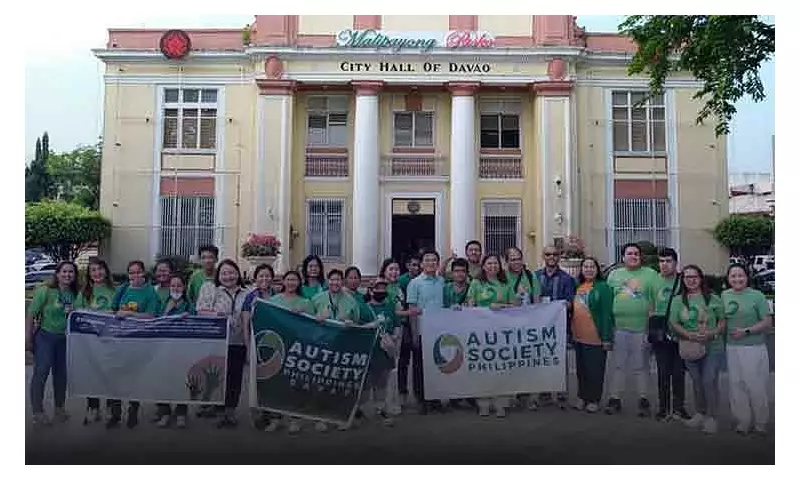
The Autism Society Philippines–Davao Chapter has launched a renewed campaign urging lawmakers to approve measures that would enable PhilHealth coverage for autism assessments and therapy services. This initiative aims to significantly alleviate the financial burden on families raising children with Autism Spectrum Disorder (ASD) across the region.
Addressing Critical Access and Financial Challenges
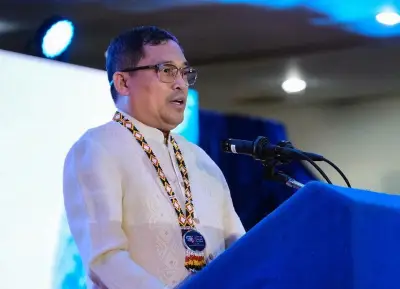
During the recent Kapehan sa Dabaw forum held at SM City Davao on January 26, 2026, Jane Gonzales, a board trustee and cluster head of ASP-Davao, highlighted the severe challenges families face. She emphasized that early diagnosis is crucial, yet access remains a major obstacle due to limited specialists and high costs.
"There are very few developmental pediatricians in our area. Families sometimes wait up to a year just to secure an appointment, and the expenses are prohibitive. Even basic assessments should be covered by PhilHealth to make them accessible," Gonzales stated.

Therapy Costs Create Heavy Strain on Families
Gonzales further explained that therapy expenses place an even heavier strain, particularly on low-income households. Children with ASD typically require three to five therapy sessions each week, creating a sustained financial pressure that many families struggle to manage. She called on the government to include these essential therapy services in PhilHealth coverage or provide direct subsidies to affected families.
Call for Expanded Facilities and Professional Support
Beyond insurance coverage, Gonzales urged local government units to build more specialized facilities offering affordable education and therapy for children with ASD. She noted a critical shortage of occupational and speech therapists in the region who can provide services at reasonable rates.
While some municipalities and provinces have begun establishing centers for children with ASD, Gonzales stressed that progress often depends on sustained advocacy from parents and community organizations. In Davao City, the local government operates the Davao City Special Needs Intervention Center for Children, which currently serves 1,114 children through various therapies including physical, aqua, occupational, and speech therapy. However, Gonzales emphasized the need for more facilities to meet growing demand.
Extending Support Beyond Early Childhood
Gonzales also advocated for extending support services beyond early childhood, noting that current programs primarily focus on children ages six and below. "Autism is a lifelong condition that requires continued support throughout different life stages. We need programs that address the needs of adolescents and adults with ASD," she explained.
Employment Opportunities and Community Integration
In a broader appeal for inclusion, Gonzales called on business owners to create more employment opportunities for people with ASD. She suggested companies should aim to reserve at least 1 percent of their workforce for individuals on the autism spectrum. Currently, about ten establishments in Davao City have already hired individuals with ASD, and she expressed optimism that this number will continue to grow with increased awareness and advocacy.
According to data from the Persons with Disability Affairs Office, 1,870 individuals with Autism Spectrum Disorder are registered in Davao City, underscoring the importance of comprehensive support systems.
The Davao City Social Welfare and Development Office, in partnership with ASP-Davao, continues to encourage Dabawenyos to foster a more inclusive community by respecting and accepting individuals on the autism spectrum, especially as the 30th National Autism Consciousness Week is observed.