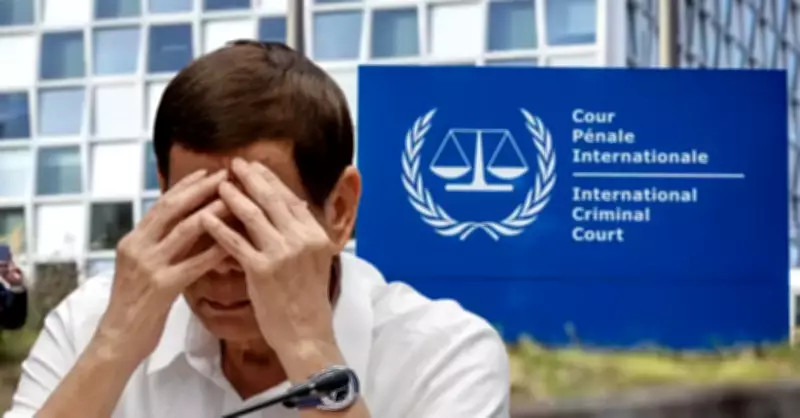
ICC Grants War on Drugs Victims Participation Rights in Duterte Pre-Trial
In a significant legal development, the International Criminal Court (ICC) has officially permitted dozens of victims of the Philippines' controversial war on drugs to take part in the pre-trial proceedings against former President Rodrigo Duterte. This decision, issued on January 26, 2026, by the court's Pre-Trial Chamber I, marks a pivotal step in the ongoing international investigation into alleged human rights abuses during Duterte's administration.
Scope and Details of the ICC Ruling
The ICC's ruling allows victims covered by the prosecution's cases to participate in the confirmation of charges proceedings, which are scheduled to commence on February 23, 2026. These proceedings will scrutinize accusations related to purported killings and attempted murders associated with the Davao Death Squad and the nationwide war on drugs campaign from 2011 to 2019. The court meticulously reviewed a total of 304 applications from victims, resulting in the approval of 29 individuals in Group A and applicants in Group C, who have demonstrated sufficient relevance to the alleged harms tied to the crimes charged against the former leader.
However, ten applications in Group B were rejected because they fell outside the current case's scope, though these applicants retain the option to reapply in subsequent phases of the legal process. To ensure effective representation, the ICC has appointed Atty. Joel Butuyan and Atty. Gilbert Andres, alongside a representative from the Office of Public Counsel for Victims, as common legal representatives for all accepted victims. This legal team is further bolstered by the support of two field assistants, including Atty. Kristina Conti and Atty. Neri Colmenares, enhancing their capacity to advocate for the victims' interests.

Legal Implications and Future Proceedings
In a move that underscores the court's commitment to procedural fairness, the ICC also rejected defense objections against the appointed lawyers, affirming their role in the case. Additionally, the court declined a request to reopen applications for additional victims at this time, citing the need to prevent delays and safeguard the rights of the accused. This balancing act highlights the ICC's efforts to maintain a timely and equitable judicial process while addressing the grave allegations at hand.
As the pre-trial phase approaches, this decision not only empowers victims to have a voice in the proceedings but also intensifies global scrutiny on the Philippines' war on drugs. The outcome could have far-reaching implications for accountability and justice in cases of alleged state-sponsored violence, setting a precedent for how international courts handle similar human rights issues worldwide.