Cebuana Wives' Anxiety Grows as Middle East Crisis Hits OFW Families Hard
For Cebuana wives with husbands working as engineers in Riyadh or nurses in Abu Dhabi, the Middle East crisis is not a distant political debate. It is a daily reality that disrupts morning coffee and fills every phone notification with dread. Standing in grocery lines at SM or Ayala, the sight of a "Breaking News" banner can send hearts plummeting, as families pray for memes rather than emergency alerts from embassies.
The Weight of Distance and Danger
With 2026 escalations and rising tensions between major powers, the usual FaceTime calls home have transformed. Wives try to keep conversations light for children, discussing school projects or upcoming fiestas, but the exhaustion in husbands' eyes is unmistakable. Even in supposedly safe cities, sirens blare at night, and companies conduct emergency drills, making the thousands of miles between Cebu and the Gulf feel like an ocean of helplessness.
A specific "Cebuano" anxiety grips OFW families, who rely on remittances for tuition or mortgages on houses in places like Liloan. Suddenly, that money feels "stained" with worry, raising questions about whether the dream of a better life is worth the nightmare of potential crossfire. At parish gatherings, wives exchange silent nods, all checking exchange rates and news cycles with the same nervous breath.

Planning for the Unthinkable
The "Go-Bag" conversation is particularly painful. Wives in Cebu's heat find themselves surrealistically planning evacuation routes for loved ones halfway across the world. While global discussions focus on oil prices and strategic pivots, these women recall packing balon (lunch) and wish their husbands worked 9-to-5 jobs in Mandaue instead of potential war zones.
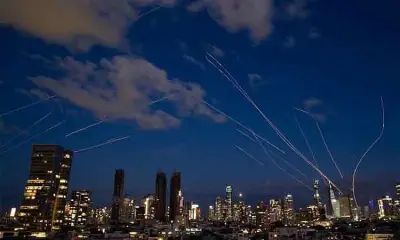
What stings most is the "business as usual" attitude locally. When others complain about gas prices or flight delays, these wives want to scream that their husbands sleep with boots nearby as regional tensions boil over. For them, the Middle East crisis is not abstract; it is the father of their children living under skies that might light up for all the wrong reasons.
Faith and Resilience Tested
Many visit the Sto. Niño more frequently, lighting candles and staring at flames while praying for protection—not just for their husbands, but for all Bisaya workers, from construction crews to domestic helpers and medical staff. As people of faith, the 2026 reality tests every bit of their belief. Resilience, often praised in Filipinos, feels like a fancy word for exhaustion from constant bravery.
At day's end, all they crave is a green WhatsApp bubble and a husband's voice, even if complaining about cafeteria food or missing puso and lechon. Until the crisis settles, homes in Cebu feel emptier, ears perpetually tilted toward phones, waiting for the only news that matters: "Safe ra ko diri, 'Ma. Ayaw kabalaka." (I'm safe here, Ma. Don't worry.)
The Silent Struggles at Home
The small, domestic silences cut deepest. Folding a husband's Barong or seeing his favorite mug unused amplifies the void. Neighborhood smells of grilling liempo trigger heartache, knowing he eats quick meals in mess halls while watching news tickers. Future plans, like buying a farm or finishing renovations, now shrink to 12-hour increments between check-in calls.
For mothers, being the "anchor" for children while feeling adrift is the hardest part. Explaining a father's absence from a May graduation with "work is busy" masks the truth of possible airspace closures. Thousands live this double life: smiling for kids while secretly scrolling news feeds at 2 a.m., praying tensions remain words on screens, not fire in the sky where their husbands sleep.