Philippine Catholic Bishops Call for Prayers Amid Escalating US-Israel-Iran Conflict
As major combat operations between the United States, Israel, and Iran plunge the war-torn Middle East into a new round of violent conflicts, the Catholic Bishops’ Conference of the Philippines (CBCP) has issued a heartfelt appeal for peace. The Episcopal Commission on Migrants and Itinerant Peoples (ECMI) has asked all dioceses and archdioceses across the nation to organize special prayers dedicated to ending the hostilities.
Bishop Socrates Mesiona's Urgent Request for Divine Intervention
In a powerful statement released on March 19, 2026, CBCP-ECMI Chairman Bishop Socrates Mesiona emphasized the undeniable "power of prayer" to bring about change even in the most dire situations. He earnestly requested that church leaders organize these prayers at the diocesan level, and where possible, in individual parishes.
"We firmly believe in the transformative power of prayer, as modeled by the Church's unwavering intercession for peace amid violence," said Mesiona. "Let us implore the intercession of Our Lady, Queen of Peace, and the martyrs of the region, that dialogue may prevail over aggression, justice over retaliation, and reconciliation over division."

The bishop suggested these special prayers could be incorporated into the Prayer of the Faithful during Sunday Masses or through dedicated adoration hours specifically focused on peace in the Middle East.
Concrete Support for Overseas Filipino Worker Families
Beyond spiritual support, Bishop Mesiona called for tangible assistance to the families of overseas Filipino workers (OFWs) who are living and working in the crisis-torn region. With an estimated two million Filipinos residing in various Middle Eastern countries, the conflict poses significant risks to their safety and wellbeing.
The CBCP official appealed to bishops and archbishops to activate their diocesan migrant offices or equivalent structures to monitor the situation of OFW families within their jurisdictions. He emphasized the importance of extending concrete pastoral care that includes:
- Spiritual accompaniment and sacramental ministry
- Community outreach programs
- Coordination with local Caritas organizations
- Collaboration with local government units
"This may include spiritual accompaniment, sacramental ministry, community outreach, and coordination with your local Caritas and local government units to address both immediate needs and long-term resilience," Mesiona explained.
Background of the Escalating Conflict
The current crisis began on February 28, 2026, when the United States and Israel launched what they described as "major combat operations" against Iran. Since that date, missile attacks have been continuously exchanged between the three nations, with neighboring countries also falling victim to the strikes.
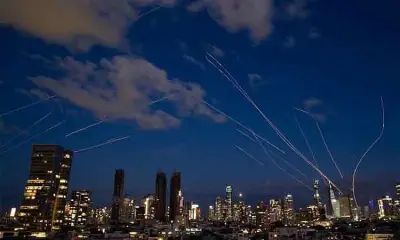
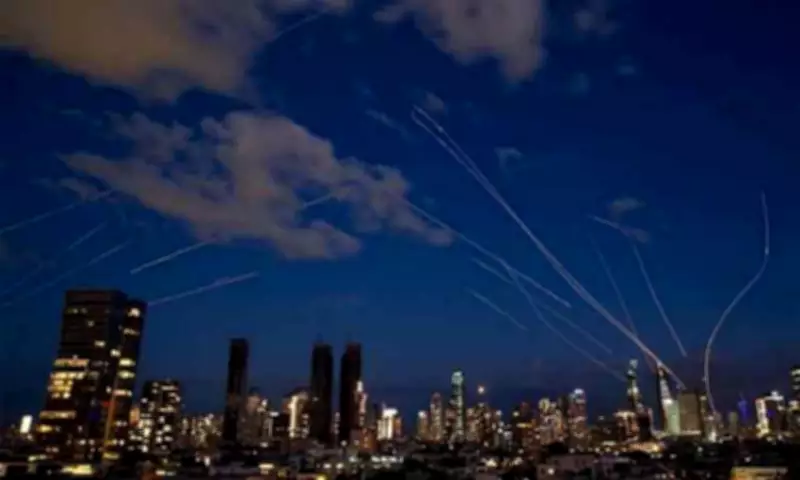
Visual evidence of the conflict emerged through long exposure photographs showing flare trails of interceptor missiles launched from Israeli air defense systems in Tel Aviv. The images capture the intensity of the military engagements that have thrown the entire region into uncertainty and danger.
The Philippine Catholic Church's response combines spiritual intervention with practical support, recognizing that the conflict affects not only geopolitical stability but also the lives of millions of Filipino workers and their families both abroad and at home.