Philippine Government Brings Home 51 Trafficked OFWs from Cambodia
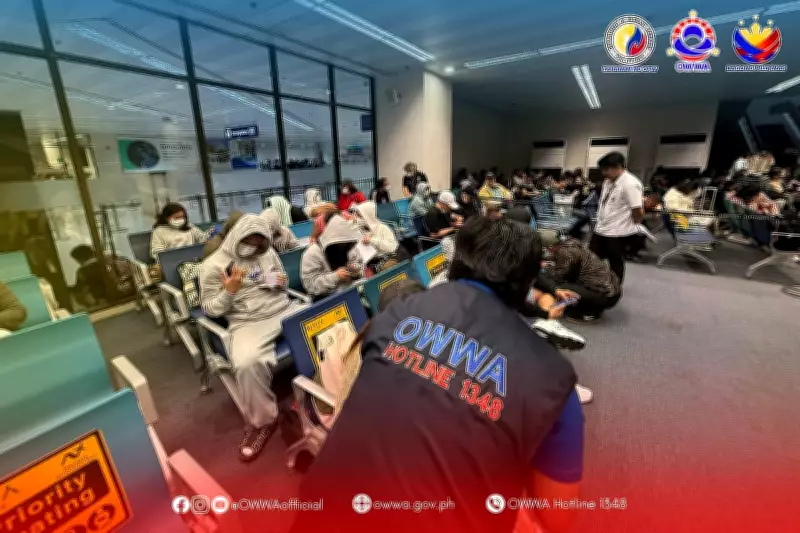
The Department of Migrant Workers (DMW) has successfully repatriated another batch of 51 distressed overseas Filipino workers (OFWs) from Cambodia, marking a continued effort to assist victims of human trafficking. According to a statement from the Overseas Workers Welfare Administration (Owwa), these workers arrived safely at Ninoy Aquino International Airport (NAIA) Terminal 1 in Pasay City on February 8, 2026.
Flight Details and Official Statement
The repatriated OFWs traveled via Philippine Airlines flight PR 2622, departing from Techno International Airport in Phnom Penh. Owwa confirmed the successful return, stating in Filipino: "Matagumpay na nakauwi sa bansa ang 51 Pilipinong biktima ng human trafficking mula Cambodia", which translates to "Fifty-one Filipino victims of human trafficking from Cambodia have successfully returned home." This latest operation highlights the ongoing challenges faced by Filipino workers abroad and the government's response.
Cumulative Repatriation Efforts Since 2022
This repatriation brings the total number of distressed OFWs brought home from Cambodia to almost 1,000. The DMW reported that over 900 OFWs have been repatriated in the last five years, with a precise count of 927 since 2022. This significant figure underscores the scale of human trafficking issues in the region and the Philippine government's commitment to safeguarding its citizens overseas.

Immediate Assistance and Support Services
Upon their arrival at NAIA, the 51 OFWs received comprehensive support to ease their transition back home. The assistance provided included:
- Financial aid to help cover immediate expenses.
- Food provisions to ensure their basic needs were met.
- Temporary shelter for those requiring a place to stay.
- Transportation assistance, both land and domestic, particularly for workers who needed to travel to their home provinces.
In addition to these immediate measures, the returning OFWs underwent an initial briefing, profiling, and assessment process. This step is crucial for identifying their specific needs and ensuring they are directed to the appropriate government agencies for further assistance, rehabilitation, and reintegration into society.
Broader Implications and Government Response
The repatriation of these 51 OFWs is part of a larger, sustained effort by the Philippine government to combat human trafficking and protect migrant workers. With nearly 1,000 individuals brought home from Cambodia alone in recent years, this initiative reflects a proactive approach to addressing the vulnerabilities faced by OFWs in foreign countries. The collaboration between DMW and Owwa demonstrates a coordinated strategy to provide not only rescue operations but also post-arrival support to help victims rebuild their lives.
As the government continues to monitor and assist distressed OFWs, such repatriation efforts serve as a reminder of the importance of international cooperation and robust domestic policies in safeguarding the welfare of Filipino workers abroad.