Eight OFWs Impacted by Workplace Fire in South Korea, DMW Extends Assistance
The Department of Migrant Workers (DMW) has reported that eight overseas Filipino workers (OFWs) were adversely affected by a recent fire at a plastic manufacturing company in South Korea. While the workers emerged physically unharmed, the incident has caused significant disruptions to their livelihoods and personal belongings.
Details of the Incident and Immediate Effects
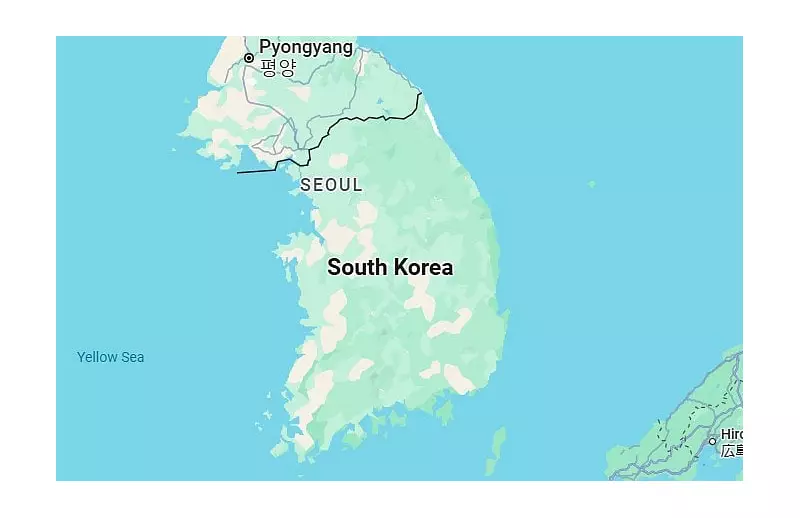
The fire occurred on January 16, 2026, at a facility located in the Gyeonggi-do province of South Korea, specifically in the Namyangju or Paju area. According to the DMW's official statement, the eight OFWs were directly impacted by this workplace accident. Although no injuries were sustained, the consequences have been substantial.
The primary issue has been the temporary suspension of company operations, which has led to a disruption in the employment of these Filipino workers. This halt in work activities means they are currently without income from their jobs, adding financial strain during an already challenging time.

DMW's Response and Support Measures
In response to the crisis, the DMW has taken proactive steps to assist the affected OFWs. The department highlighted that some workers lost personal property in the blaze, including important documents like passports.
To address this, the DMW facilitated the passport applications for those whose travel documents were destroyed, ensuring they can quickly replace these critical items. Beyond documentation support, the department has provided relief aid and financial assistance to help mitigate the immediate hardships faced by the workers.
The DMW reiterated its commitment to safeguarding the welfare of Filipino workers abroad, pledging ongoing support to ensure the affected individuals recover from this setback. This includes monitoring their situation and offering further aid as needed to help them resume normalcy in their lives and work.
Broader Implications and Safety Concerns
This incident underscores the vulnerabilities that OFWs can face while working overseas, particularly in industrial settings. Fires in manufacturing plants pose serious risks, not only to physical safety but also to job security and personal assets.
The DMW's swift action in this case demonstrates the importance of government agencies in providing a safety net for migrant workers. It also highlights the need for continuous advocacy for better workplace safety standards and emergency preparedness in countries hosting Filipino laborers.
As the situation develops, the DMW will likely continue its efforts to support these eight OFWs, ensuring they receive the necessary resources to overcome this disruption and return to stable employment.