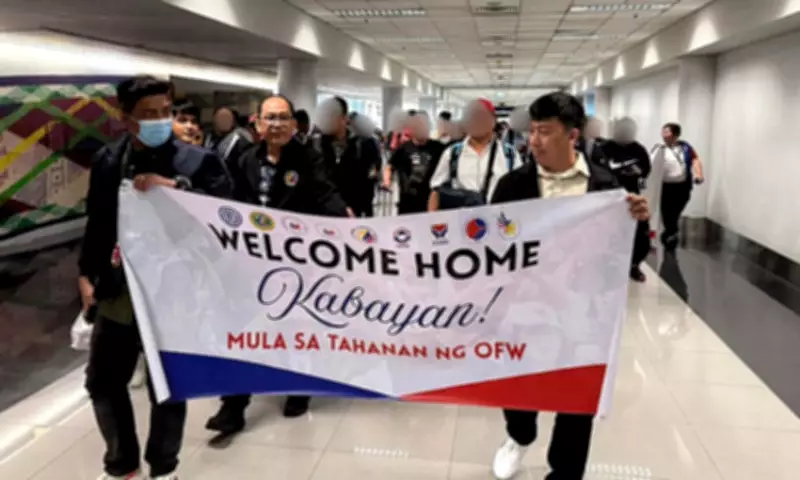
Eighty-one overseas Filipino workers (OFWs), who found themselves stranded in Dubai, United Arab Emirates due to escalating tensions in the Middle East, have successfully returned home to the Philippines. The group arrived safely at Ninoy Aquino International Airport (NAIA) Terminal 3 in Pasay City on Saturday, March 7, 2026, aboard Emirates Airlines Flight EK 336.
Government Confirms Safe Arrival Amid Regional Unrest
In an official social media announcement, the Department of Migrant Workers (DMW) confirmed the safe return of the eighty-one OFWs. The department emphasized that these particular workers were not part of any organized government repatriation program from the Middle East region. Instead, they were individuals who had previously booked commercial tickets for travel to the Philippines.
"Eighty-one stranded OFWs arrived this morning on board Emirates Airlines," the DMW stated clearly in their public announcement. The department provided crucial context, explaining the circumstances that led to their stranding in the transit hub.

Circumstances of Stranding and Immediate Assistance
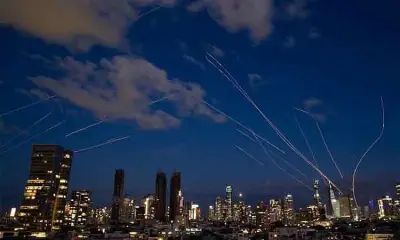
According to the DMW's detailed explanation, the affected OFWs fell into two primary categories. Some had scheduled return flights to the Philippines for planned vacations, while others were transiting through Dubai's international airport with connecting flights to Manila when they became trapped due to the sudden deterioration of the security situation in the Middle East.
"They already have booked tickets and are scheduled to return to the Philippines for vacation, while others have connecting flights from Dubai to Manila when they were stranded due to the unrest in the Middle East," the DMW clarified in their official statement.
Upon their arrival at NAIA Terminal 3, the returning OFWs received immediate and comprehensive assistance from Philippine government agencies. This support included essential provisions such as food supplies and organized transportation arrangements to facilitate their onward journeys to their respective home provinces across the archipelago.
Comprehensive Support Services Provided
The Department of Migrant Workers further disclosed that additional specialized support services were made available to the returning workers. These included psychosocial assistance programs designed to address potential trauma or stress from their ordeal, alongside readily accessible medical support for those requiring immediate healthcare attention.
The government's coordinated response demonstrates a structured approach to supporting citizens affected by international crises, ensuring both their physical return and their wellbeing upon arrival.
Broader Context of OFWs Affected by Middle East Crisis
This repatriation occurs against a backdrop of wider challenges facing Filipino workers in the region. Data released by the Overseas Workers Welfare Administration (OWWA) reveals a more extensive picture of disruption caused by the Middle East crisis.
Official statistics indicate that a total of 236 overseas Filipino workers have been reported as stranded across various international transit hubs as a direct consequence of the ongoing regional unrest. This figure highlights the scale of the logistical and humanitarian challenges created by geopolitical tensions affecting global travel and migrant worker mobility.
The safe return of these eighty-one individuals represents a significant positive development, though it underscores the continuing vulnerability of overseas workers to international political and security disruptions. The Philippine government's mechanisms for monitoring, communication, and assistance remain critically important for the welfare of its citizens abroad during such uncertain times.