The Department of Migrant Workers (DMW) has officially established clear criteria for evacuating overseas Filipino workers (OFWs) from the Middle East as regional tensions continue to intensify. This announcement comes as the government works to manage the growing number of Filipinos seeking to return home from conflict-affected areas.
Prioritizing Safety in High-Risk Zones
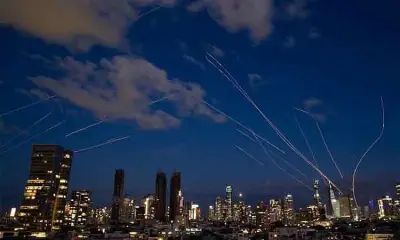
During a Senate Committee on Migrant Workers hearing, DMW Secretary Hans Leo Cacdac detailed the evacuation priorities. The government will first focus on Filipinos located in or near areas directly impacted by missile and drone attacks, particularly those linked to recent Iranian strikes. "We have been carefully monitoring the areas attacked by Iranian drones and missiles in every country… and the surrounding areas where the Filipinos are will be the first to be taken out," Cacdac stated.
Additional Factors in Evacuation Decisions
Beyond geographic proximity to conflict zones, the DMW will also consider several other critical factors when processing evacuation requests. These include the urgency of repatriation appeals, existing medical conditions requiring immediate attention, and broader humanitarian concerns. For cases falling within the same risk category, processing may follow a first-come, first-served basis to ensure orderly management.

Government Preparedness and Reintegration Plans
Senator Erwin Tulfo, chairperson of the committee, emphasized the necessity for transparent and effective repatriation guidelines as more Filipinos seek assistance. "It is important that we discuss how we can bring them home and how we will receive them here in the Philippines," Tulfo remarked. He further highlighted the need for comprehensive reintegration programs to support returning workers. "Once they come home, what is in store for them? This is where reintegration becomes important," he added, urging proactive planning for large-scale returns.
Current Repatriation Efforts and Statistics
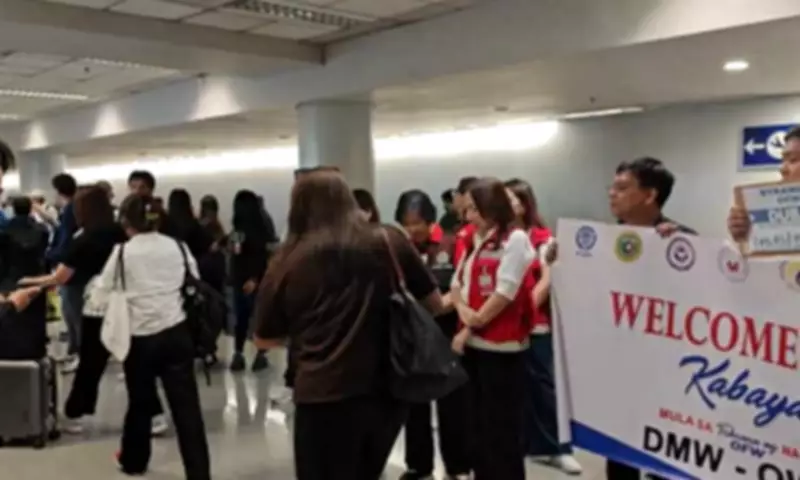
The DMW's criteria come amid active repatriation operations. A total of 299 Filipinos affected by the escalating tensions arrived safely at NAIA Terminal 3 on March 5, 2026, via Emirates Flight 336 from Dubai. As of March 4, more than 1,400 Filipinos in the Middle East have formally requested repatriation, with the DMW having already assisted a total of 2,012 individuals since the conflict began.
Secretary Cacdac reassured OFWs and lawmakers that support systems are in place. Filipinos feeling unsafe can seek immediate help from Philippine embassies and Migrant Workers Offices, which can coordinate with employers to relocate workers to embassy shelters if necessary. This multi-faceted approach aims to ensure the safety and well-being of Filipino nationals caught in the volatile regional situation.